

소개
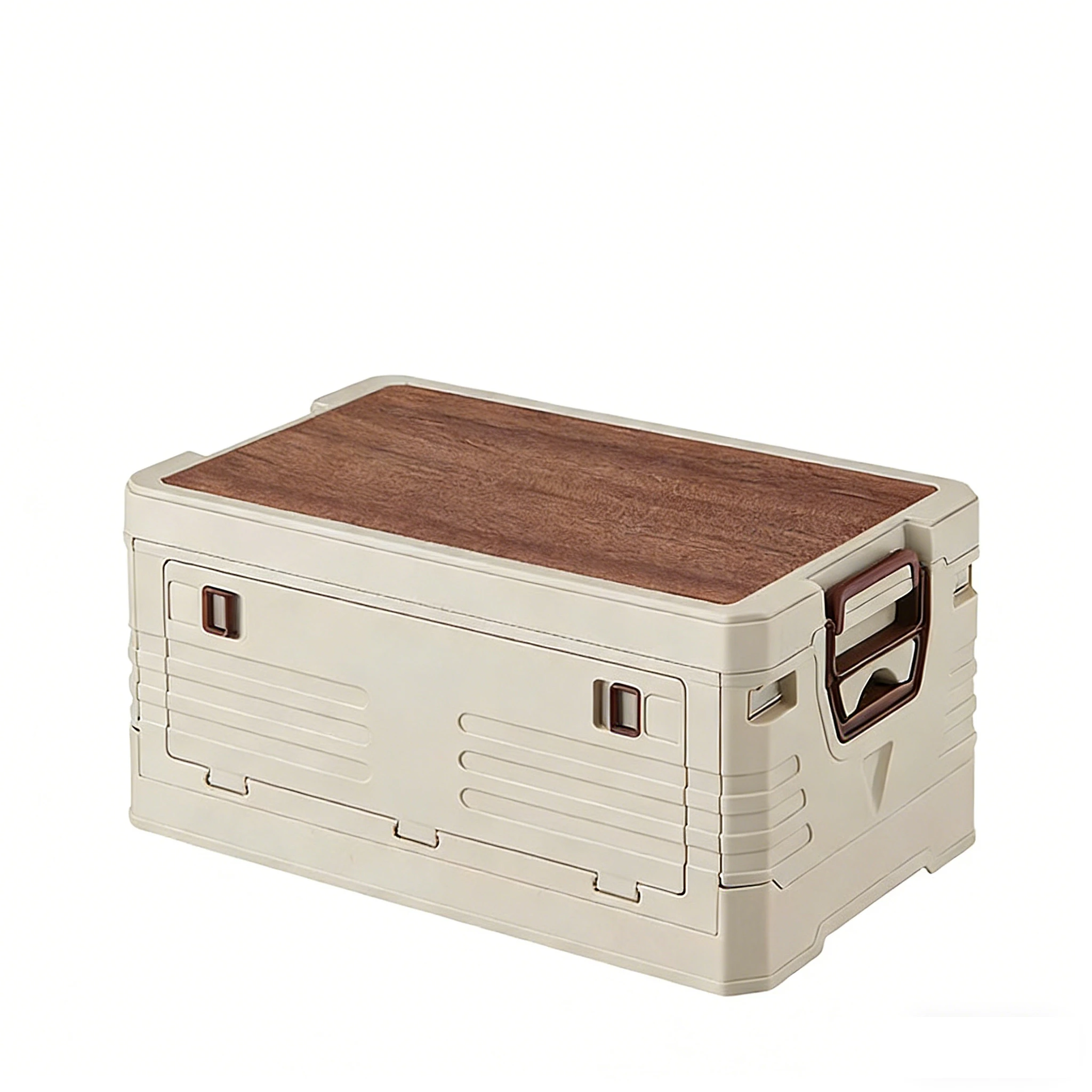
A well-designed storage system can significantly improve how efficiently a home or commercial space is organized. In most cases, the difference between clutter and order comes down to a simple choice: selecting the right 플라스틱 가정용 수납함.
Across kitchens, closets, offices, and retail environments, plastic storage boxes have become a standard solution for organizing everyday items. Compared to traditional storage materials, they offer better durability, moisture resistance, and space efficiency, making them suitable for a wide range of applications.
However, not all storage boxes deliver the same performance. Low-quality containers may crack under pressure, fail to stack properly, or lack food-safe materials for kitchen use. For long-term reliability, buyers need to evaluate structural design, material grade, and usability before making a purchase.
Why Plastic Has Become the Preferred Storage Material
In modern homes and commercial organizations, 플라스틱 가정용 수납함 solutions are widely used due to their balance of strength, weight, and versatility. Unlike fabric or cardboard alternatives, plastic containers are better suited for environments where durability and cleanliness are important.
Fabric storage bins may absorb moisture and odors over time, making them less suitable for kitchens or bathrooms. Cardboard containers can deform under weight and are not designed for long-term reuse. Wooden or metal alternatives, while sturdy, are often heavier and less flexible for daily handling.
A well-constructed 플라스틱 가정용 수납함 offers practical advantages, including moisture resistance, easy cleaning, and efficient stackability. These features make it suitable for kitchens, bedrooms, storage rooms, and retail organization systems that require consistent performance.
Material 101: Which Plastic Is Actually Safe and Durable?
Before you buy a single bin, flip it over and look for the recycling triangle. The number inside tells you everything.
| Material (Code) | Heat Tolerance | Food Safety | Clarity | Best Application |
|---|---|---|---|---|
| PP (#5) | Up to 120°C | Excellent (FDA) | Good – translucent | Kitchen, fridge, freezer, pantry |
| PET (#1) | Low (no heat) | Good (BPA‑free) | Very high – crystal clear | Cold food, dry goods, visible pantry bins |
| PS (#6) | Low – can leach | Limited (not for hot/oily) | High – glass‑like | Small parts, non‑food storage only |
| HDPE (#2) | Medium (up to 80°C) | 우수 | Low – opaque | Heavy‑duty garage, laundry, toys |
For most home uses, PP (#5) is the gold standard. It’s BPA‑free, shatter‑resistant, and safe for direct food contact. Many premium 플라스틱 가정용 수납함 models stamped with “food‑grade PP” can go straight from the pantry into the refrigerator without a second thought. PET offers better clarity – ideal for snack bins where you want to see exactly how many granola bars are left – but keep it away from dishwashers and hot contents. PS? Skip it unless you’re storing screws or craft buttons in a cool, dry closet.
One more rule: always look for “BPA‑free” on the label or packaging. Codes #1, #2, #4, and #5 are naturally BPA‑free. Avoid unmarked or “#7 Other” plastics unless the manufacturer explicitly states no bisphenols.

5 Non‑Negotiable Features of a Quality Plastic Household Storage Box
After sorting through hundreds of user reviews and lab tests, these five features separate a keeper from a regret.
1. Reinforced Corners and Base Thickness
Thin plastic bows under weight. If you stack two loaded bins, the bottom one will sag, crack, or – worst case – send everything crashing. Run your finger along the base. A quality 플라스틱 가정용 수납함 has a visibly thicker floor, often with grid or diamond embossing that adds rigidity without adding weight. Reinforced corners (little triangular gussets inside) prevent splitting when you lift a heavy bin by the edge.
2. A Lid That Actually Stays Put
Lids fall into three categories, and only two are useful.
-
Snap‑on / hinged clip lids – Secure, dust‑proof, stackable. Best for long‑term storage or items you access weekly.
-
Loose‑fitting drop‑on lids – Annoying. They slide off when you tilt the box and offer little pest protection. Avoid unless the box lives on a high shelf and never moves.
-
No lid (open baskets) – Perfect for daily access: kids’ toys, countertop snack stashes, bathroom counter supplies.
If you buy a lidded 플라스틱 가정용 수납함, test the latch mechanism before committing. Cheap clips break after 20 openings. Good ones click firmly without requiring Hulk strength to release.
3. True Stackability – Not Just a Flat Top
Stackability is more than a marketing buzzword. Look for a recessed lid with raised edges that lock into the box below, or feet on the bottom that nest into grooves on the lid below. Without these, your tower of bins will lean, slide, and topple the first time someone bumps the shelf. Premium stackable designs or Really Useful Boxes can stack 6–9 high without wobbling.
4. Visibility Without Opening
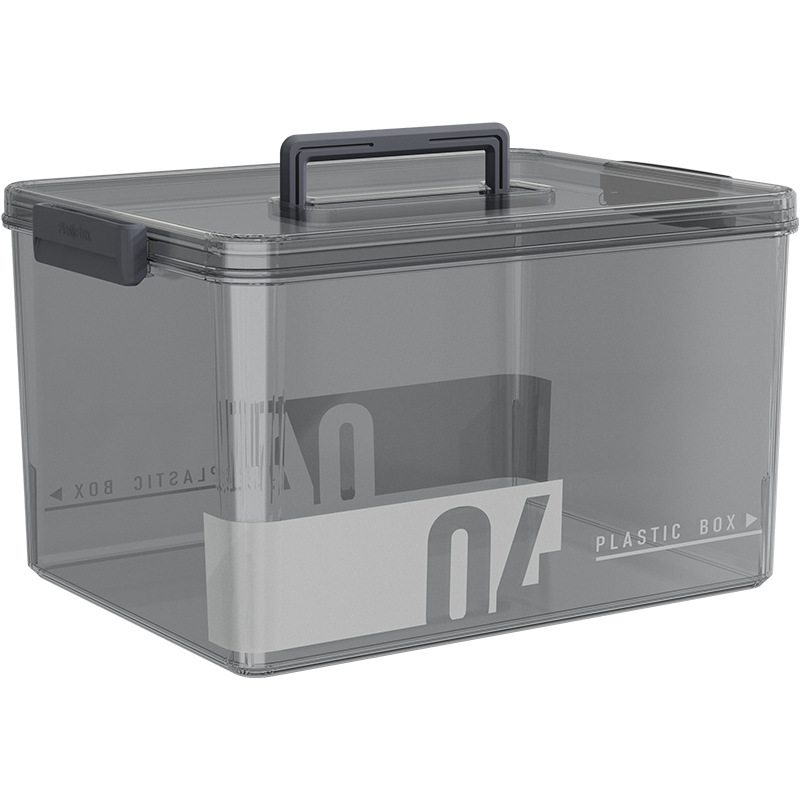
Clear plastic changed the storage game. A transparent 플라스틱 가정용 수납함 lets you see the contents instantly, which means less rummaging, less forgetting what you own, and less rebuying items you already have. Professional organizers almost universally recommend clear bins for pantries, refrigerators, closets, and craft rooms.
That said, opaque bins have their place – garages, basements, or any area where aesthetics don’t matter and you don’t need quick visual access. But for everyday home organization, go clear.
5. Comfortable Handles
Handles seem trivial until you’re carrying a 20‑pound bin of Christmas decorations down from a high shelf. The best handles are molded into the sides (not attached as separate pieces that snap off) and provide at least a two‑finger grip. Avoid bins with only a small lip under the rim – those are meant for sliding, not lifting.
Room‑by‑Room: Where a Plastic Household Storage Box Works Best
A single well‑chosen 플라스틱 가정용 수납함 can solve clutter problems in every corner of your home. Here’s how.
Kitchen & Pantry
Use small clear bins (3–6 liters) inside cabinets to group like items: soup packets, tea bags, spice backups, granola bars. Medium bins (10–15 liters) on pantry shelves hold canned goods, pasta boxes, and jarred sauces. Large bins under the sink corral cleaning sprays and sponges. The result? You stop losing things in the dark abyss of your cabinets. Open‑top plastic baskets on the counter serve as a “stash catcher” – keys, mail, loose change – giving you a tidy surface in seconds.
Refrigerator & Freezer
Food‑safe PP bins transform a chaotic fridge into a grocery store‑worthy display. Use shallow bins for produce (separate apples from onions to avoid ethylene gas spoilage). Tall, narrow bins for drink bottles and condiment jars. Label each 플라스틱 가정용 수납함 with a dry‑erase marker, and you’ll cut fridge rummaging time by 70%.
Bedroom & Closet
Under‑bed storage is prime real estate. Low‑profile plastic bins (about 6 inches tall) slide easily under most bed frames and hold out‑of‑season clothes, extra sheets, or shoe collections. For closet shelves, clear stackable bins keep sweaters, handbags, and accessories visible and dust‑free. No more “I forgot I owned this” moments.
욕실
Humidity destroys cardboard and fabric, but a 플라스틱 가정용 수납함 handles steam like a champ. Use small bins inside vanity drawers for makeup, cotton balls, and hair ties. Under‑sink areas benefit from sturdy, lidded boxes that protect spare shampoo bottles and cleaning tablets from moisture and leaks.
Living Room & Play Areas
Toys explode across living rooms daily. The fix: open‑top plastic baskets (no lids) on low shelves. Kids can see the toys, grab what they want, and – miraculously – drop them back in without fighting a lid. For Legos, art supplies, or puzzles, compartmentalized plastic household storage boxes with adjustable dividers keep small parts from becoming one giant mixed mess.
Garage, Basement & Laundry Room
This is where heavy‑duty plastic bins earn their keep. Use large (45‑65 liter) 플라스틱 가정용 수납함 units for:
-
Seasonal decorations (Christmas, Halloween, Easter)
-
Camping gear (tents, sleeping bags, cookware)
-
Power tools and hardware (small parts bins inside larger totes)
-
Laundry supplies (detergent pods, dryer sheets, stain removers)
For basements, look for bins with tight‑sealing lids that keep out moisture, dust, and critters. Opaque is fine here – you can label the outside with a marker or label maker.
Size Guide: Picking the Right Capacity
Choosing the wrong size is the #1 regret buyers report. Here’s a practical cheat sheet.
| Capacity (liters) | Typical Dimensions (L×W×H in cm) | 최상의 대상 |
|---|---|---|
| 3 – 6 L | 17×12×14 to 28×20×17 | Snacks, spices, office supplies, small toys, makeup |
| 10 – 15 L | 35×25×21 to 40×30×22 | Pantry goods, baby bottles, craft supplies, a week’s snacks |
| 20 – 30 L | 45×35×25 | Shoes, handbags, small sports gear, and large toy sets |
| 40 – 65 L | 57×39×29 to 79×57×19 | Seasonal clothing, bedding, holiday decor, camping gear |
Always measure your shelf depth, under‑bed clearance, and cabinet height before ordering. A 플라스틱 가정용 수납함 that doesn’t fit is a box you’ll never use.
Plastic vs. Alternatives: A Side‑by‑Side Reality Check
| 기능 | Plastic | Fabric / Canvas | Cardboard | Wood / Wire |
|---|---|---|---|---|
| Moisture resistance | 우수 | Poor (mildew risk) | None (soggy collapse) | Fair (wood warps) |
| Pest resistance | Excellent (smooth walls) | Poor (mice chew through) | Very poor | Poor |
| Stackability | Excellent (with design) | Poor to fair | Fair (crush risk) | Good |
| Visibility of contents | High (clear models) | None | None | None (wire: partial) |
| Empty weight | Light to medium | 매우 가벼움 | 매우 가벼움 | 무거운 |
| Ease of cleaning | Wipe or rinse | Spot clean only | Not cleanable | Wipe only |
| Years of useful life | 8 – 15+ | 2 – 4 | 1 – 2 | 5 – 10 |
| Typical price per unit | 5–25 | 10–30 | 2–10 | 15–50+ |
For 90% of home organization tasks – especially anywhere moisture, pests, or visibility matters – a 플라스틱 가정용 수납함 wins outright.
How to Source a Plastic Household Storage Box for Reliable Long-Term Use
Sourcing a 플라스틱 가정용 수납함 online requires more than comparing appearance or price. For retailers, importers, and homeware brands, product consistency, material quality, and structural design are key factors that determine long-term performance and customer satisfaction.
The following checklist outlines the most important factors buyers should evaluate before placing a bulk order.
Step 1 – Define Application and Load Requirements
Before selecting a product, clearly identify the intended usage scenario.
Food storage applications require food-grade PP (#5) material, while heavier storage needs, such as tools or household items, require reinforced walls and thicker base structures. Lightweight applications, such as clothing or general organization, can use standard stackable designs.
Understanding application requirements helps ensure the selected 플라스틱 가정용 수납함 meets functional expectations in real usage conditions.
Step 2 – Confirm Dimensions and Storage Compatibility
Accurate measurement is essential for efficient space utilization.
Buyers should confirm internal and external dimensions, especially when products are used in shelves, cabinets, or retail packaging systems. For stackable designs, lid height and nesting structure should also be considered to ensure stable stacking during storage and transport.
Step 3 – Evaluate Lid Design and Functionality
Lid structure directly affects usability and product value.
Common options include:
- Snap-lock lids for secure long-term storage
- Hinged lids for frequent access applications
- Flat lids for stacking efficiency in warehouse or retail environments
For bulk procurement, consistency of lid fit across production batches is an important quality control factor.
Step 4 – Check Material Grade and Safety Compliance
For kitchen and household applications, food-safe and BPA-free materials are essential.
High-quality 플라스틱 가정용 수납함 products are typically made from PP (#5) or PET (#1), depending on transparency and usage requirements. Buyers should also confirm compliance with relevant safety standards when targeting retail or international markets.
Step 5 – Request Samples Before Bulk Ordering
For wholesale or OEM procurement, sampling is a critical step to verify material quality, structural strength, stacking stability, and overall finish.
Testing a small batch helps buyers evaluate product consistency before committing to large-scale production.
Frequently Asked Questions for Buyers
1. What materials are best for a plastic household storage box?
PP (#5) is the most commonly used material due to its durability, flexibility, and food safety properties. PET (#1) is often used for transparent storage applications.
2. What should wholesale buyers check before placing an order?
Key factors include material grade, lid design, stacking performance, OEM customization options, and production consistency across batches.
3. Can plastic storage boxes be customized for branding?
Yes. Many manufacturers offer OEM/ODM services, including logo printing, color customization, packaging design, and size adjustments for retail or private label brands.
4. How important is stackability in bulk storage products?
Stackability is critical for warehouse efficiency, retail display, and transportation safety. Poor stacking design can increase logistics costs and product damage risk.
5. What is the typical MOQ for plastic household storage box products?
MOQ varies depending on design complexity and customization level. Standard models usually have lower MOQs, while custom OEM products require higher minimum order quantities.
Your Next Step: Choose the Right Plastic Household Storage Box
Effective organization starts with selecting the right 플라스틱 가정용 수납함 for your specific application, whether for kitchen, bathroom, or general home use.
For wholesale buyers and retailers, consistent quality, durable structure, and practical design are key factors when choosing a supplier.
Bulk Supply & Custom Options
Our plastic storage boxes are designed for both household and commercial use, available in multiple sizes and stackable designs. OEM and ODM customization options are also available, including color, logo, and packaging.
Contact for Samples & Wholesale Pricing
For bulk orders or product evaluation, please contact us to request samples, specifications, or quotation details.