
Introduction: Understanding the Role of an Outdoor Utility Cart
An outdoor utility cart, also known as a garden cart, utility wagon, or outdoor hauling cart, is a versatile vehicle designed to transport tools, supplies, and materials with greater ease than manual labor. Instead of having to transport heavy items by hand or rely on basic wheelbarrows, the utility cart enables efficient, ergonomic, and multi-purpose hauling that is suitable for both professional and domestic use.
The fundamental value of these carts is their capacity to reduce labor, save time, minimize physical pain, and enhance organization. Whether employed in the gardening industry, the construction industry, the Camping industry, or other fields, an outdoor utility cart is a practical tool that offers productivity and safety benefits.
Primary Purposes of an Outdoor Utility Cart
-
Hauling Heavy & Bulky Items
One of the primary functions of a utility cart that is outdoors is to haul. As landscaping and gardening projects often necessitate the déplacer of heavier payloads, such as soil, mulch, plants, and rocks, utility carts have a significant advantage over manual labor:
Garden carts facilitate the movement of soil, compost, and cover crops easily.
They can also move large tools, planters, or fertilizer with ease.
For building or maintaining the carts, utility vehicles (particularly heavy-duty or steel) are responsible for providing high-capacity transportation that supports large amounts of cargo from one job site to another.
Many alternative carts that are outdoors have a more stable design. In Garden Botany, they typically have 4 wheels (or additional wheels that are more stable), which distribute weight across the plant and reduce the likelihood of tipping.
-
Increasing Efficiency in Work and Organization
A utility cart that functions as a mobile office is called an outdoor cart.
It combines plants, instruments, and materials into one location, which reduces the number of trips between the shed or storage area.
With compartments, bins, or combined tool storage in advanced models, it facilitates access to tools quickly.
The cart can be utilized not only for transportation, but also as a mobile storage area: all of the necessary supplies are brought to the working area, instead of having to fetch them one by one.
-
Reducing the Strain and risk of injury through physical activity
The lifting of heavier loads by hand over uneven ground leads to back pain, fatigue, and potential injury. Using a cart:
Transfers that assist with lifting, which reduce the stress placed on the back, joints, and muscles.
Provides a consistent, solid base – less likely to tip over than single-wheeled wheelbarrows.
Ergonomic handles, padded grips, and proper wheel design facilitate less user fatigue.
-
Many scenarios outside are versatile
Outdoor utility carts are inherently versatile and are employed in multiple situations:
Landscaping and Gardening Movies: Transplanting plants, soil, trash, instruments, and harvest.
Recreation in the outdoors: For trips to the beach, or camping, carts, coolers, equipment for camping, and even items for children.
Event and Facilities: Utility carts are employed during outdoor events to transport chairs, equipment, or other supplies.
Construction/Maintenance: Carts can carry out repairs to buildings or infrastructure, or transport debris across areas of responsibility.
Composting/Waste Transport: It’s used as a portable bin for compost or as a means to collect yard waste and transport it to a composting area or a disposal area.
-
Increasing Safety and Compliance
For institutions or organizations that employ (campuses, hotels, parks), the use of utility carts is beneficial regarding compliance and risk management:
Many institutions have safety policies that prevent overloading, maintain cargo, and avoid dangers.
Effective cargo security decreases the probability of dropped payloads or misbalance during transport.

Design and Feature Considerations That Support the Purpose
Understanding the relationship between design and purpose helps with the selection of the appropriate outdoor utility cart.
-
Frame and Substance
Steel/metal Frames: Provide strength and durability for heavy transport. Ideal for professional or athletic use.
Powder-Coated or Rust-Resistant Acabish: This helps to facilitate the support of outdoor conditions, which in turn prevents corrosion. As described in the Outdoor Utility Cart brand, the capacity to withstand rust is of paramount importance to long-term success.
Lightweight/Aluminum or Plastic variants: Effective for recreational or light-duty usage.
-
The design of the cargo bed
Deep Tray or High Sides: Allow for loads that are tall or voluminous, such as soil bags or plants.
Removable or Detachable Side Panels: Detachable sides have a more diverse range of options for loading and unloading.
Flatbeds: Help with the transport of items that are odd-shaped or larger than usual.
-
Wheel and tire systems
All-weather pneumatic tire: Provides a smooth ride over grass, gravel, or uneven ground, often found in heavy-duty vehicles like electric models.
Large Rubber/ Foam-Filled Tires: Increase stability and reduce maintenance (flats-free options).
Swivel or Steering Wheels: increase the maneuverability in small outdoor spaces.
-
Handling and comfort
Ergonomic Grips: Reduce the strain of repeated use.
Adjustable or Telescoping Handle: Allow customization based on the user’s height or task.
Low Load Bed / Easy Access: It helps to reduce the amount of lifting needed in the cart.
-
Storage and Organization Capabilities
Integrated compartments or baskets for hand tools, gardening gloves.
Removable fabric containers or boxes for versatility.
Cylindrical or spherical designs that are foldable or collapsible for storage and transportation.
-
Capacity for Load and Structural Stiffness
High-powered models (many garden carts have several hundred pounds of capacity) are capable of transporting heavier materials.
For commercial or recreational use, stainless steel or flanged frames are capable of handling heavier weights.
-
Portability & Folding
Some utility vehicles have a flat-top design that enables the storage of goods in garages or backpacks.
Separable sides facilitate the flattening or reformation of larger packages.
Safety, Risk, and Best Practices
Because of the heavy or awkward cargo that is often carried in utility carts that are outdoors, safety is of paramount importance.
-
Safe and Sound Cargo Loading
Completely insulate all cargo to minimize the amount of cargo that is moved. The guidelines of the utilitarian approach to cargo transportation consider unsecured cargo to be of great danger.
Avoid overburdening: follow the manufacturer’s recommended maximum capacity for the load. Overload can cause tipping, stress in the frame, or failure of the wheels.
-
Effective Operation on the ground
When traversing slanted terrain, slow down and maintain control, especially when bearing loads.
Pay attention to walkers or obstacles. Safety rules caution people about “observing potholes, dips, and uneven surfaces.”
Use carts that have the appropriate tire type for the surface to minimize the risk of tipping or being stuck.
-
Maintenance for Safe and long-term use
Inspect the wheels, axles, and frame on a regular basis to recognize signs of wear or damage.
Provide grease where necessary.
After heavy use in the outdoors, such as playing sports, walking, or biking, the cleaning process involves removing any potential problems with the moving parts.
For electric vehicles that are used for transportation, maintain the battery’s charge, inspect the wiring, and follow the manufacturer’s guidelines for service.
Types of Outdoor Utility Carts & Trade-offs
Not all utility carts are equal; the right type is specific to different uses and trade-offs.
-
Garden Cart/ Wagon
Lightweight, often backed by fabric or shallow plastic.
Wonderful for farming, hauling dirt, plants, and tools.
Pros: Easy to move, foldable, and compact in storage.
Cons: The limited weight capacity of the cart is compared to steel carts; the latter have a slower rate of travel on difficult terrain.
-
Heavy-Duty Steel Cart with a Flap
The heavy metal frame tends to tip or dump; this is often useful.
Suitable for landscaping contractors, construction sites, or farm tasks.
Pros: Extremely powerful, long lifespan, and can carry heavier loads than other animals.
Cons: Heavier to pull, may need more care (rust, wheel wear).
-
Outdoor Electric Utility Cart
Mechanized, often battery-powered, they are intended to haul heavier loads with little physical exertion.
Pros: It’s efficient, reduces physical pain, and is ideal for frequent heavy-duty responsibilities.
Cons: Higher expense, battery care, and more intricate parts.
-
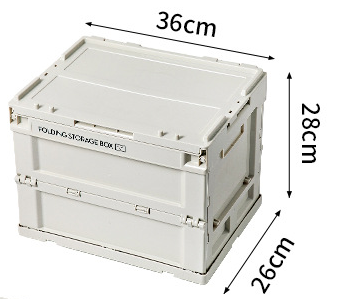
Folding/Rec collapsible utility vehicle
Portable, collapsible frames and bed sheets.
Ideal for trips to the beach, events, or simple yard work.
Pros: Easy storage, heavier weight, and versatile.
Cons: Lower capacity for weight, less long-lasting than metal carts.
Practical Business and Residential Use Cases
-
Landscape businesses
Landscape contractors employ utility vehicles to transport supplies, plants, soil, and trash across enormous territories. The cart’s efficiency is increased by reducing human trips and avoiding fatigue.
-
Grounds Management & Facilities
Universities, public parks, campuses, and resorts utilize utility vehicles to maintain the grounds, move the equipment, provide the materials, and transport the supplies without having to rely on heavy vehicles. According to the facility’s guidelines, the policy regarding utility carts is safe; they incorporate security in speed, and authorized use is permitted.
-
Home gardening and homemaking
For serious gardeners, an outside utility cart can assist in hauling compost, delivering harvested plants, transferring heavy objects, or collecting trash.
-
Recreation and events outdoors
Carts that are outdoors are beneficial at music festivals, campsites, tailgates, or beach parties. They facilitate the transport of coolers, chairs, equipment, and other supplies in one journey.
-
Construction and Maintenance
In areas dedicated to construction or maintenance, utility carts have a successful history of carrying out tasks, including the transport of tools, building materials, or trash across sites. This is especially true of confined or difficult-to-reach areas.
Maintenance and Longevity: Best Practices
Maintaining a utility cart that is outdoors ensures its efficiency and safety is maintained. Maintained practices:
-
Constant monitoring
Check the alignment of the wheels and the pressure of the tires (if pneumatic).
Examine the frame’s welds or joints for evidence of stress or wear.
-
Cleaning
Remove trash, soil, or sand after utilization.
Rinse and dry if employed in flooded areas.
-
Lubrication
Use grease or a similar substance on the axles or pivots regularly.
-
Storage
Keep the store in a dry, sheltered area to prevent rust or sunlight damage.
Carts that are foldable or that can collapse, if built to this design, will preserve their structure.
Electric Cart Care (if involved)
The battery is charged according to the manufacturer’s recommendations
Examine the electrical connections regularly
Preserve the battery’s life span in a moderate temperature.
Emerging Trends & Innovations
-
Electricity and motionless utility carts
Electric utility carts for the outdoors are becoming more popular. These carts have a push button that triggers hauling, a long battery life, and are all-weather capable. This diminishes the need for manual labor and increases the productivity of outdoor professionals and homeowners.
-
Modular and Multifunctional Design
Modern carts are being constructed with compartments that can be detached, sides that can be removed, or storage for tools that is integrated into the design. All of these features are intended to serve multiple functions, including hauling and serving as mobile workstations.
Also, detachable fabric siding increases flexibility and makes it easier to load or unload.
-
Heavierweight, High-Durability Substances
Manufacturers are utilizing powder-coated steel, UV-resistant plastics, and rust-resistant components to ensure that carts are able to stand the rigour of the outdoors.
Wheels are advancing with pneumatic, foam-filled, or large tread tires that enhance mobility across difficult terrain.
-
Safety and ergonomic enhancements
Better design handles, adjustable grips, and safe cargo systems are becoming more common; this reduces the strain on the vehicle and increases safety.
Safe methods of operating utility carts are being embraced by organizations (e.g., campus, facility managers) to minimize danger.
Key Considerations When Choosing an Outdoor Utility Cart
When choosing a utility cart, it’s crucial to consider the design of the cart in conjunction with your intended purpose. Think about this:
Purpose/Usage Frequencies: Will you clean the soil every week, or only occasionally move garden tools?
Capacity for Load: Estimate the maximum load that will be carried and choose a cart that has enough capacity.
Terrain: If dealing with uneven ground, choose all-terrain wheels. For flat areas that have little elevation, smaller wheels can be used.
Frame material: Select a durable metal for everyday use that is heavy or lightweight.
Portability & Storage: Are you in need of a folding or collapsible design for easy storage?
Safety features: Look for models with comfortable handles, versatile load options, and consistent wheelbases.
Electricity versus Handling: Decide if the effectiveness of an electric cart is worth the cost of the battery and the effort it takes to maintain it.
Maintenance: Prepare a cleaning schedule, apply grease, and store items for a long time.
Brand Support: Select brands that are well-known and provide supplementary parts, accessories, and customer support.
Summary & Final Thoughts
The purpose of a utility cart that is outdoors is to facilitate efficient, efficient, and organized transportation of tools, supplies, and materials across outdoor environments.
Key benefits include reducing labor spending, minimizing physical stress, increasing efficiency of tasks, and enhancing safety.
Different designs (garden carts, steel carts, electric models) address different purposes — base your choice on capacity, terrain, frequency, and maintenance concerns.
Proper safety, preservation, and ergonomics are essential to maximizing value and length.
Today’s emerging trends towards modular design, electric traction, and rugged, lightweight materials contribute to the increasing capacity and user friendliness of utility carts.
Conclusion
For both gardeners and landscapers, as well as organizers of events and facility managers, an outdoor utility cart is more than just a simple tiện ích – it’s a significant investment in strategy. It promotes efficiency, saves physical exertion, increases safety, and is versatile in its approach. When selected with care and maintained properly, it can influence the way outdoor activity is conducted.