
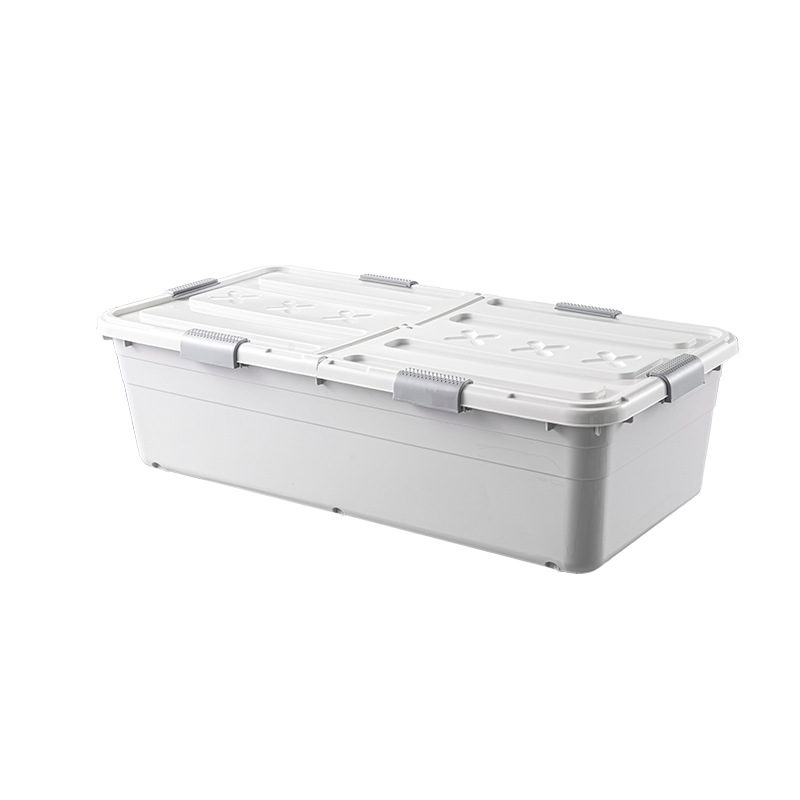
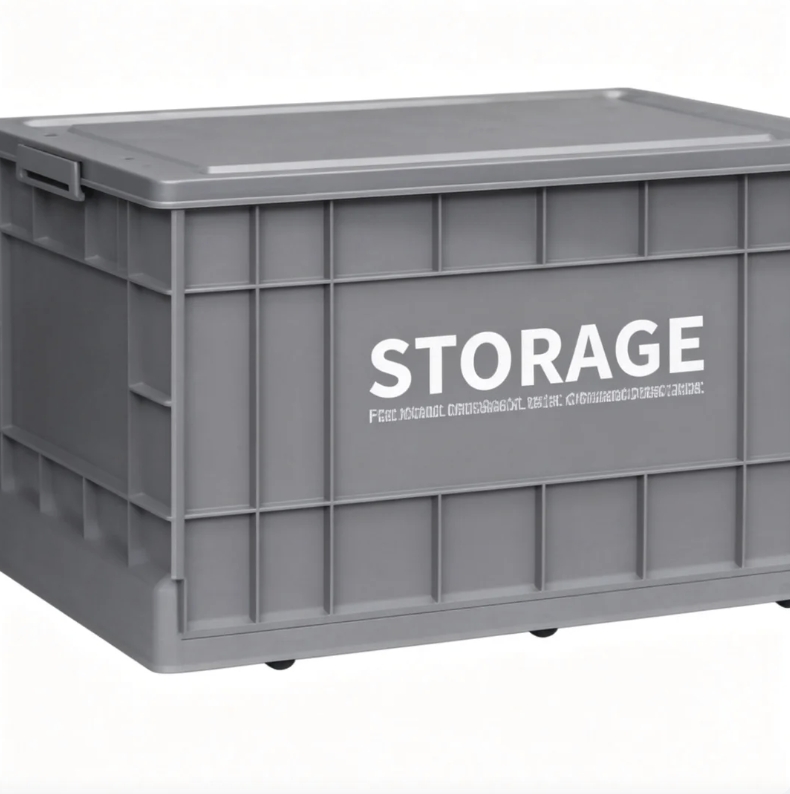

Ringkasan Artikel:Ringkasan Artikel
Selecting the appropriate storage container for grains is not simply a matter of convenience; it is also critical because of its effect on the safety of the food, the shelf life of the food, its nutritional value, and the prevention of economic loss.
The postharvest technology of cereals, seeds, and oils by A.K. Chakraverty and On-Farm Grain Storage, which was published by the FAO, wastage in grain storage causes moisture to migrate into the storage container. This causes the container to become contaminated, infested with insects, and oxygen-deprived, all of which can adversely affect the quality of the storage container.
This article discusses the post-harvest science that is already recognized and the current practice of storing grain in the storage industry to explain the reasons why a sealed container for storing grain is considered the most effective alternative to both domestic and commercial storage. By contrasting materials, mechanisms for seals, environmental resistance, and practical uses in the real world, this guide provides a more extensive and practical evaluation of the typical pages that are top-ranked in the guide.
Introduction: Why Grain Storage Quality Matters More Than Ever
Grains are one of the most commonly stored food items on Earth; they constitute the foundation of global food security. Whether intended for domestic use, distribution to retailers, or agricultural storage, grains are uniquely susceptible to moisture, oxygen, pests, or temperature changes. Many consumers are misled by the common belief that grains will degrade quickly if they are stored incorrectly. They typically rely on thin plastic bags, floundering bins, or containers that are not airtight.
From a scientific and practical perspective, the question “what is the best container for storing grains?” cannot be answered by simply price or size. The correct answer is dependent on the degree to which the container precludes the grains from being adversely affected by environmental dangers. Through both academic research and practical application, the sealed container for grain storage consistently emerges as the most effective solution.
Understanding the Primary Threats to Stored Grains
To determine the best storage container, it’s important to understand what types of grains should be safeguarded. Grain decay is caused by a combination of biological, chemical, and physical components, all of which evolve.
- Moisture Exposure
Moisture is the single greatest contributor to the destruction of grain storage. Even a small increase in humidity can promote mold development, enzyme activity, and microbial growth. Studies have demonstrated that grains that are stored in elevated moisture levels have a faster rate of deterioration than those that are stored in low moisture levels.
- Air Exposure
Oxygen promotes the rapid conversion of lipids in grains like rice, corn, and oats. The process of oxidation also adversely affects the flavor of the food, but it also diminishes the nutritional value. Also, oxygen supports the respiration of insects, which enables infestations to succeed.
- Insects and Rodents
Insects like weevils and moths have the ability to enter containers that are poorly sealed. Rodents have the ability to consume through thin plastics, cardboard, and even soft metals. Once contamination has occurred, all of the grain in a batch is often unable to be used.
- Temperature Variations
Temperature changes lead to condensation in containers; this is particularly true of those that lack sufficient seals. This moisture cycling promotes the acceleration of spoilage.
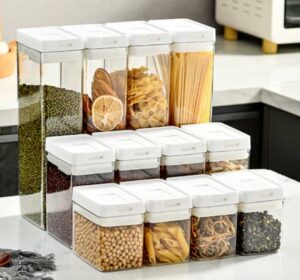
What Makes a Sealed Grain Storage Container Effective?
A sealed container for storing grain has the capacity to create a controlled internal environment that prevents air exchange, moisture transfer, and biological invasion. The efficacy of these containers is derived from a combination of design attributes rather than a singular attribute.
- Airtight Sealing Technology
High-quality systems for seals- such as silicone gaskets, compacted lids, or locking clips- are crucial. These hinder the exchange of oxygen and moisture, which is intended to maintain internal conditions.
- The Integrity of theaterial
The container’s body must withstand deformation, failure, and accessibility. Even a fully sealed lid is ineffective if the container’s walls allow for vapor transmission or structural damage.
- Resistance to pests
Sealed containers for storing grain must have a physical barrier that insects can’t overcome and rodents can’t consume through.
Common Types of Grain Storage Containers: A Comparative Overview
Many storage containers claim suitability for grain storage, but their real-world performance varies widely.
- Plastic Containers
Food-grade plastic containers are lightweight and affordable. However, not all plastics offer equal protection. Thin-walled plastics allow slow oxygen diffusion and are vulnerable to chewing pests unless reinforced.
- Glass Containers
Glass is impermeable to air and moisture, making it excellent for short-term storage. However, glass containers are heavy, fragile, and impractical for large quantities of grain.
- Metal Containers
Metal containers, especially stainless steel or galvanized steel, offer strong pest resistance and low permeability. Without proper sealing, however, they are prone to condensation.
- Composite Sealed Containers
Modern sealed grain storage containers often use multi-material designs, combining rigid plastic or metal bodies with engineered sealing systems. These represent the most advanced and practical solution for most users.
Why Sealed Grain Storage Containers Outperform Traditional Options?
From a scientific and practical perspective, sealed containers for storing grain have a superior performance over unsealed bins, sacks, and jars in every important metric.
- Increased shelf life
Studies referenced by the FAO indicate that grains stored in containers with airtight or nearly airtight conditions have a quality that is maintained for two to five times longer than grains stored in containers that are breathable.
- Lowered Infestation Probability
By providing limited oxygen, sealed containers will create conditions that are detrimental to insects. In many instances, low oxygen environments will naturally reduce the reproduction of pests without the need for chemical intervention.
- Preservation of the nutritional value
Limiting the amount of oxygen prevents the preserves from being oxidized, including essential nutrients like B vitamins, fats, and amino acids.
- Lower Economic Cost
For both families and companies, decreased spoilage directly leads to cost savings.
Material Selection for Sealed Grain Storage Containers
The substance of the sealed container’s grain storage affects its long life, safety, and performance over time.
- Food-grade polymers
High-density polyethylene (HDPE) and polypropylene are typically employed because of their tensile strength and chemical stability. When combined with top-quality seals, they have a successful long-term storage reputation.
- Stainless steel
Stainless steel containers have a superior lifespan and pest resistance. They’re typically employed in commercial and agricultural settings that require hygienic and long-lasting structures.
- All-inclusive Designs
Some of the most effective sealed containers for storing grain that are sealed have a plastic shell that is reinforced with a metal rim or a system that locks in place. This combination combines lightweight transportation with enhanced protection.
Sealed vs Non-Sealed Grain Storage: Practical Differences
| Fitur | Wadah Penyimpanan Biji-bijian Tertutup | Non-Sealed Container |
| Moisture Protection | Luar biasa | Poor to moderate |
| Oxygen Control | Tinggi | Minimal |
| Pest Resistance | Tinggi | Rendah |
| Shelf Life | Long-term | Short-term |
| Grain Quality Retention | Tinggi | Inconsistent |
Applications: Household, Retail, and Agricultural Use
- Home Storage
For individuals who live in homes, sealed containers for storing grain that prevent pests from entering are preserving the freshness of the food, and organizing the kitchen is a bonus.
- Small and Large Scale sales
Retailers enjoy the benefits of sealed storage that maintains the quality of the product and reduces the likelihood of contamination.
- Agricultural and Farming Storage
On farms, sealed containers are often employed to preserve seed in a way that involves the viability of the grain and the moisture content of the container.
Best Practices for Using a Sealed Grain Storage Container
- Ensure that the grain is properly dried before being stored
The grain should have sufficient moisture to meet the recommendations before being sealed.
Many cereal crops: 9–12% water content
Oilseeds: 9-10% water content
Preserving grain with too much moisture increases the likelihood of mold development, degradation, and internal condensation—this is even true of airtight containers.
- Clean and sanitize the container completely
Before each use,
Remove remaining dust and grain.
Clean with safe cleaning agents that are food-grade.
Completely dry out to avoid the accumulation of moisture.
Remaining debris can harbor insects or spores of mold that affect stored food.
- Get a Genuine Airtight Seal
Examine the components of sealage with care:
Examine the gaskets, O-rings, and lids for wear or damage.
Ensure all of the shutters are fully occupied.
Alter the seals regularly.
The lack of air is beneficial to insects and microorganisms, as it diminishes the availability of oxygen.
- Keep in a Cool, steady environment
Ideal conditions for storage:
Low temperature changes
Indoor or outdoor placement when convenient
Directed up to the ceiling.
Constant temperatures decrease the likelihood of condensation and slow the rate of grain decay.
- Periodically observe without always re-entering
Examine the exterior of the object, such as the presence of bubbles, smells, or condensation.
Employ ports or sensors that inspect for malfunctions when present.
Avoiding unnecessary exposure, which promotes oxygen and moisture.
Constant monitoring promotes the early detection of potential problems.
- Employ proper handling and rotation methods
Indicate the containers as having a storage date and the type of grain they are made of.
Employees should be employed and promoted based on their abilities, and they should leave the company based on the same principles.
Containers’ handles should be handled with care to avoid seal damage.
These methods preserve the quality of grain and reduce waste.
Sustainability Considerations
- Reduced Food Loss and Waste
Sealed storage reduces the damage caused by:
Insect infestation
Mold development
Moisture contact
Reducing the amount of lost post-harvest products increases the overall efficiency of the food system and the utilization of resources.
- Lower dependency on chemical preservatives
Airtight storage reduces the necessity of:
Fumigants
Insecticides with chemicals
This decreases the chemical composition of food chains and prevents environmental pollution.
- Reusable and long-lasting storage solutions
High-quality sealed containers:
Are manufactured with a long lifespan intended for multiple years of reuse
Reduce the use of disposable bags or liners.
Lower the long-term commitment to material consumption
Durability advocates the circular economy.
- The selection of material and the recycling of the material
Sustainable alternatives to containers include:
Food-grade HDPE or polypropylene (reusable plastics)
Stainless steel that is resistant to corrosion and can hold up to 10 years for high-value storage.
Selecting materials that can be recycled or that have a long lifespan increases the environmental outcome of the end of life.
- The efficiency of energy in the preservation of grain is considered
By utilizing preventative measures without active cooling or chemical intervention, sealed containers are:
Reduce the amount of energy used.
Lower environmental emissions
Help rural areas have low-infraestrutura storage.
FAQ: Sealed Grain Storage Containers
What is the most appropriate material for a container for sealed grain?
Stainless steel and food-grade HDPE that have airtight seals are considered the most effective.
How long can grains last in a sealed container?
Depending on the type of grain and the moisture content, sealed containers can store grains for up to several years.
Are sealed containers effective in preventing insects?
They significantly diminish the risk of infestation, especially when grains are stored in a dry state, and containers are opened sporadically.
Is it necessary to use a vacuum to seal the grains?
Vacuum technology is beneficial, but it is not necessary in all cases where the container is completely sealed.
Can solid containers for storing grain be employed to store flour and rice?
Yes. They are particularly beneficial for rice, wheat, flour, oats, and corn.
Conclusion: What Is the Best Storage Container for Grains?
From a scientific perspective that is based on evidence, the best storage container for grains is a container that is sealed and has a durable material composition as well as pest resistance. Unlike traditional bins or bags, sealed containers create a consistent internal environment that prevents the grains from being dampened, exposed, or overheated.
For individuals, retailers, and agricultural consumers alike, committing to a high-quality sealed container for storing food is not simply a matter of convenience. It’s a proven method of preserving the quality of food, reducing waste, and ensuring long-term value.