
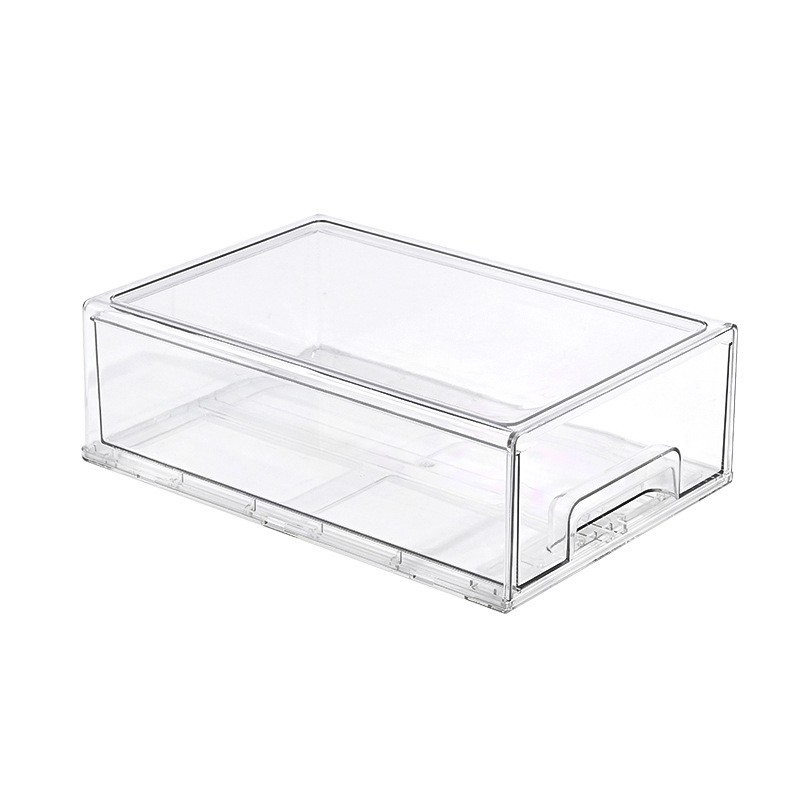

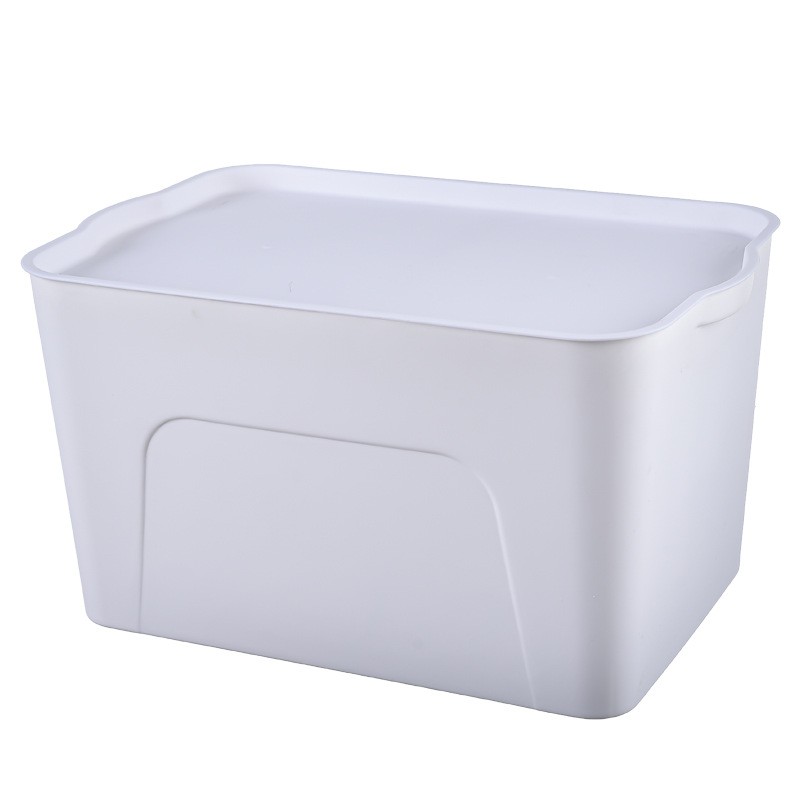
Introduction
Walk onto any construction site, step into a professional garage, or open a tradesperson’s vehicle, and you will likely find a plastic tool storage box in use. Combining durability, portability, and cost efficiency, these storage solutions help organize and protect everything from hand tools to power equipment.
However, not all plastic tool storage boxes offer the same performance. Differences in material quality, storage design, and durability can directly affect user experience and product value.
So, what makes a good plastic tool storage box? For buyers sourcing products for retail, hardware, automotive, or professional applications, understanding these key factors is essential for choosing reliable solutions that deliver long-term value.
The Global Tool Storage Market Is Growing—Why Should Buyers Pay Attention?
Market data shows increasing demand for portable storage solutions. The global portable tool storage product market was valued at approximately US$628 million in 2024 and is expected to reach US$914 million by 2031, with a CAGR of 5.6%.
This growth is driven by several key trends:
- Rising DIY and home improvement activities
- Growth of professional users in the construction and automotive industries
- Increasing demand for organized and portable storage solutions
- Preference for lightweight products with reliable durability
For B2B buyers, this growth indicates strong market potential for plastic tool storage boxes. As competition increases, selecting products with the right material, design, and performance features becomes increasingly important.
Material Matters: Why Polypropylene Is Widely Used in Plastic Tool Storage Boxes
Material selection plays a critical role in determining the durability and performance of a plastic tool storage box. Among various plastics available, polypropylene (PP) has become a preferred choice due to its balanced strength, lightweight properties, and cost efficiency.
What Makes Polypropylene the Preferred Choice?
Polypropylene is a thermoplastic material that offers several advantages for professional storage applications:
Impact resistance.
Tool storage products often face drops, impacts, and rough handling. PP provides excellent impact resistance, helping boxes maintain structural integrity during daily use.
Chemical resistance.
Polypropylene can withstand exposure to common substances such as oils, greases, and cleaning agents, making it suitable for workshops, automotive environments, and industrial applications.
Lightweight construction.
Compared with metal storage options, PP-based solutions offer easier handling without sacrificing durability. This helps professionals transport tools more efficiently throughout the workday.
Temperature flexibility.
PP maintains reliable performance in different temperature conditions and reduces the risk of cracking in colder environments, making it suitable for outdoor jobsites and unheated workshops.
Comparing Plastic Tool Storage Box Materials
Not all plastics used in tool storage are created equal. Here is how the most common materials stack up:
| Matériau | Key Properties | Meilleur cas d'utilisation |
| Polypropylène (PP) | Impact-resistant, chemically resistant, lightweight, flexible at low temperatures | Industrial environments, automotive repair, general professional use |
| ABS | High impact resistance, smooth surface finish | Heavy-duty tool cases, outdoor equipment |
| HDPE | Lightweight, UV-resistant, excellent tensile strength | Portable kits, warehouse storage |
Internal Organization: A Key Factor in Choosing a Plastic Tool Storage Box
A plastic tool storage box is more than just a container. For professional users and buyers, effective internal organization can directly improve efficiency, accessibility, and overall product value.
Compartmentalization Matters
Searching through a disorganized toolbox for a specific socket, drill bit, or accessory wastes time and reduces productivity. A well-designed storage solution uses smart compartment layouts to keep tools organized and easy to access.
Key features to consider include:
Removable tote trays.
These trays provide separate storage for small tools and components, allowing users to quickly access frequently used items without carrying the entire box.
Lid compartments with transparent covers.
Built-in lid storage is ideal for screws, bits, connectors, and other small accessories. Transparent covers allow users to identify contents quickly without opening multiple sections.
Adjustable dividers.
Customizable dividers allow users to adapt the internal layout according to different tool sizes and applications, making the box suitable for various industries.
Application-specific sections.
Different markets require different storage designs. Gardening toolboxes may need space for pruners and gloves, while painting tool storage solutions should accommodate brushes, rollers, and accessories. Matching the layout to the application improves usability and customer satisfaction.
Improving Productivity Through Better Organization
Disorganized tools can lead to unnecessary searching time and reduced workflow efficiency. A well-designed plastic tool storage box helps users maximize available space by making every compartment easier to access.
For distributors and retailers, products with practical organization features can provide better user experiences and stronger market competitiveness.
Portability and Handling: Design Features Buyers Should Evaluate
Most tool storage solutions are frequently transported between workshops, vehicles, and job sites. Therefore, handle design, closure systems, and portability features play an important role in product performance.
The Carrying Handle
The handle is one of the most frequently used components. A reliable design should provide:
- Ergonomic shaping to distribute weight comfortably
- Sufficient width for users wearing work gloves
- Reinforced connection points for improved durability
- Comfortable handling even under heavy loads
A well-designed handle improves both usability and long-term customer satisfaction.
Latches and Closures
Latches directly affect storage security and product reliability. They keep tools protected during transportation while preventing accidental opening on job sites.
Important features include:
- Durable latches that maintain secure closure after repeated use
- Reinforced structures for improved resistance to wear
- Easy operation for quick access when needed
Stackability and Interlocking
For professional users managing multiple tool sets, stackable designs help maximize storage space and simplify transportation. Interlocking structures create more stable stacks, making them especially valuable for contractors and service teams moving between different locations.
Security: Protecting Valuable Tools
Tools are expensive. A single power tool can cost hundreds of dollars, and a full toolbox represents a significant investment. Security features are not optional—they are essential.
Locking Capability
The best plastic tool storage boxes include an eyelet or reinforced padlock hasp that allows users to attach a padlock. This deters theft and provides peace of mind on job sites where multiple workers are present.
IP Ratings for Environmental Protection
For professionals working outdoors or in demanding environments, water and dust protection is critical. Some plastic tool storage boxes carry IP (Ingress Protection) ratings that indicate their level of protection against solids and liquids.
For example, the Bunker Load-Up stacking toolbox offers IP65 water and dust protection, meaning it is completely dust-tight and protected against low-pressure water jets from any direction. For electricians, builders, and other tradespeople working in challenging conditions, this level of protection is not a luxury—it is a necessity.
What Makes a Good Plastic Tool Storage Box? A Buyer’s Checklist
For B2B buyers, procurement professionals, and retailers, here is a practical checklist to evaluate plastic tool storage boxes:
Material verification. Confirm that the box is made from impact-resistant polypropylene or an equivalent high-performance plastic. Ask about drop test results (ASTM D5276) and hinge cycle testing—industry standards typically require a minimum of 10,000 open/close cycles.
Load capacity. Understand the box’s maximum load capacity. A good plastic tool storage box should support significant weight without deformation. Some models support up to 50 pounds or more.
Compartment configuration. Assess whether the internal organization matches the intended use case. Does it have removable trays? Adjustable dividers? Lid compartments?
Latch quality. Test the latches. Do they engage securely? Are they reinforced? Will they hold up to repeated use?
Handle ergonomics. Pick up the box. Does the handle feel comfortable? Is it securely attached?
Security features. Does the box have a padlock eyelet? Are there additional security options?
Compliance certifications. For regulated markets like the EU or North America, ensure compliance with RoHS and REACH standards, especially when colorants or flame retardants are used.
Supplier reliability. For B2B sourcing, evaluate suppliers on on-time delivery rates, reorder rates, and response times. Suppliers with on-time delivery above 97% and reorder rates above 20% demonstrate strong operational reliability.
Application-Specific Considerations
Different users have different needs. Here is how a good plastic tool storage box adapts to various applications:
Gardening. A gardening toolbox needs compartments for pruners, trowels, gloves, and seed packets. It should be lightweight enough to carry around the yard and resistant to moisture and dirt.
Painting. Painting tool storage requires sections for brushes, rollers, tape, and small accessories. The box should be easy to clean—paint spills happen.
Hardware and automotive. For hardware sets and automotive tools, a plastic tool storage box needs rugged construction, impact resistance, and organization for sockets, wrenches, and specialty tools.
Car-mounted storage. For professionals who keep tools in their vehicles, a car-mounted layering design allows the box to fit securely in trunks or cargo areas without sliding around during transit.
Workshop storage. In a workshop setting, stackable plastic tool storage boxes maximize vertical space and keep workspaces organized.
The Cost-Benefit Equation for Buyers
For procurement professionals, the decision to source plastic tool storage boxes involves more than just unit price. Consider the total cost of ownership:
Durability reduces replacement costs. A box made from high-quality polypropylene will outlast cheaper alternatives, reducing the frequency of replacements.
Organization improves productivity. A well-organized box saves users time—and time is money.
Security reduces loss. Lockable boxes deter theft and protect valuable tools.
Brand reputation matters. For retailers, offering high-quality plastic tool storage boxes builds customer trust and loyalty.
Sourcing Considerations
China is home to over 60% of the world’s tool storage production capacity. Key manufacturing regions include Guangdong (Shenzhen and Dongguan) for precision injection molding and Zhejiang (Ningbo) for mechanical engineering integration.
When evaluating suppliers, look for:
-
ISO 9001 certification as a baseline quality indicator
-
On-time delivery rates above 97%
-
Reorder rates above 20% as a proxy for buyer satisfaction
-
Response times under 3 hours for proactive communication
FAQ
1. What material is best for a plastic tool storage box?
A high-quality plastic tool storage box is typically made from durable materials such as polypropylene (PP). PP offers a good balance of impact resistance, lightweight construction, chemical resistance, and cost efficiency, making it suitable for professional, automotive, and industrial storage applications.
2. How do I choose the right plastic tool storage box for my business?
When sourcing a plastic tool storage box, buyers should consider factors such as material quality, storage capacity, compartment design, handle strength, latch durability, and intended application. For distributors and retailers, supplier reliability and customization options are also important factors.
3. Can plastic tool storage boxes be customized for different applications?
Yes. Many manufacturers provide customization options, including size, color, internal compartments, logo printing, and packaging solutions. Customized designs allow businesses to develop storage products that better match the needs of gardening, painting, hardware, and automotive markets.
4. Are plastic tool storage boxes suitable for automotive and professional use?
Yes. A durable plastic tool storage box with reinforced construction, secure closures, and practical organization features can effectively store automotive tools, hardware sets, and professional equipment. Lightweight designs also make them convenient for mobile workers and vehicle-based storage.
5. What should buyers look for when sourcing plastic tool storage boxes in bulk?
Bulk buyers should evaluate product quality, manufacturing capabilities, production capacity, lead times, and customization support. Working with an experienced supplier helps ensure consistent quality and reliable delivery for wholesale or retail distribution.
Making the Right Choice
A quality plastic tool storage box should offer more than basic storage. Durable materials, practical organization, secure closures, and application-focused designs are key factors that determine long-term performance and user satisfaction.
For distributors, retailers, and professional users, choosing the right storage solution means balancing product quality, functionality, and market demand. Our plastic tool storage boxes are designed for applications such as gardening, painting, hardware organization, and automotive storage, with options for customization and bulk supply.
If you are looking for reliable tool storage solutions for your market, feel free to contact us for samples, product details, or customized sourcing support.