
Resumen
This comprehensive guide evaluates the top car camping storage boxes for 2026, analyzing key features including durability, capacity, weatherproofing, and portability.
Designed for outdoor enthusiasts and frequent campers, this article provides technical specifications, comparative analysis, and expert recommendations to help you select the optimal storage solution for your camping adventures.
Whether you’re a professional outfitter managing rental fleets, a recreational weekend camper, or a commercial buyer sourcing bulk equipment, understanding the critical distinctions between material construction, environmental resistance ratings, and load-bearing capacities will ensure you invest in storage solutions that deliver long-term value and reliable performance across diverse outdoor conditions.
Understanding Car Camping Storage Box Fundamentals
Core Design Features and Material Construction
Modern car camping storage boxes utilize three primary material categories, each offering distinct performance characteristics. Polipropileno (PP) copolymers dominate the budget-to-mid-range segment, providing excellent impact resistance with flexural modulus ratings between 1,300 and 1,800 MPa. These injection-molded units typically incorporate glass fiber reinforcement (10-20% by weight) to enhance structural rigidity while maintaining weight efficiency ratios of 0.4-0.6 kg per 10L capacity.
Aluminum alloy construction (primarily 5052 and 6061 grades) defines the premium expedition category. These boxes feature welded or riveted seam construction with corner reinforcement plates, delivering superior crush resistance exceeding 500 kg static load capacity. The material’s natural oxide layer provides inherent corrosion protection, critical for coastal environments where salt spray exposure accelerates degradation. Weight penalties range from 40-60% higher than polymer alternatives, but lifespan extends to 10-15 years under commercial use conditions.
ABS plastic composites occupy a performance middle ground, offering UV stability superior to standard polypropylene through benzene ring molecular structures that absorb and dissipate ultraviolet radiation. Wall thickness specifications typically range from 3.5mm for 50L units to 6mm for 150L+ models, with ribbed internal reinforcement patterns distributing stress loads across multiple planes.
Essential Performance Specifications
Capacity selection directly correlates with trip duration and group size. A standardized calculation allocates 15-20 liters per person per day for food storage, plus an additional 30-40L base capacity for cooking equipment and shared supplies. A family of four on a week-long expedition, therefore, requires a minimum of 500L total storage, typically distributed across 2-3 separate containers for organizational efficiency and weight distribution.
IP (Ingress Protection) ratings quantify dust and moisture resistance through standardized testing protocols. For year-round camping applications, IP65 certification represents the practical minimum—ensuring complete dust-tight sealing and protection against water jets from any direction. Premium models achieve IP67 ratings, surviving temporary submersion to 1-meter depth for 30 minutes, essential for river crossings or flash flood scenarios.
Temperature performance specifications matter significantly across climate zones. Quality storage boxes maintain structural integrity from -40°C to +80°C, tested per ASTM D746 (brittleness temperature) and ISO 75 (heat deflection). Gasket materials require particular attention—silicone and EPDM rubber compounds retain compression set properties below -30°C, while standard nitrile deteriorates rapidly under sustained cold exposure.
2026 Top-Rated Car Camping Storage Box Models
Premium Tier: Heavy-Duty Expedition Boxes
Professional-grade storage solutions engineered for extreme conditions incorporate military specification materials meeting MIL-STD-810G shock and vibration standards. These units feature continuous hinge systems with stainless steel pins (rather than molded plastic hinges prone to fatigue failure), and multi-point latching mechanisms distributing closure force across 4-6 contact points.
Load capacity certifications reach 50-100 kg static weight, validated through compression testing that simulates stacked storage scenarios. Corner protection employs thermoplastic elastomer (TPE) bumpers with Shore A hardness ratings of 60-75, absorbing impact energy while preventing paint damage to vehicle surfaces. Mounting hardware includes reinforced tie-down points rated for 200+ kg dynamic loads, essential for off-road applications where vibration and shock loads exceed standard highway conditions by 300-400%.
Price positioning between $200-$500 reflects premium manufacturing processes, including rotational molding (for seamless construction) or precision-welded aluminum fabrication. Expected service life under commercial rental conditions spans 1,500-2,000 usage cycles, translating to 8-10 years for outfitters maintaining proper cleaning and storage protocols.
Notable models include aluminum expedition boxes with integrated lock systems featuring brass cylinder mechanisms resistant to dust infiltration, and polymer units with modular lid designs accepting accessory mounting plates for solar panels or lighting systems.
Mid-Range: Versatile All-Purpose Solutions
The $80-$200 segment balances performance and affordability through intelligent design optimization rather than premium materials. Modular stacking systems employ interlocking lid-to-base features, allowing secure vertical storage that maximizes vehicle cargo space efficiency. Typical configurations enable 2-3 unit stacking without exceeding 60 kg total weight, maintaining safe manual handling limits.
Wall construction utilizes twin-wall blow molding techniques, creating hollow structural panels that improve insulation properties (R-value 0.8-1.2) while reducing material costs compared to solid-wall designs. This manufacturing approach produces units with 80-120L capacities weighing just 4-7 kg, achieving optimal strength-to-weight ratios for frequent loading/unloading.
Weatherproofing in this category typically achieves IP54-IP65 ratings through compression gaskets and overlapping lid designs that create tortuous paths, preventing water ingress without requiring complex sealing mechanisms. UV stabilization packages (typically 2-3% concentration of benzophenone or benzotriazole additives) extend outdoor exposure lifespan to 5-7 years before surface chalking or color degradation becomes significant.
Value-added features include removable internal dividers (creating 2-4 compartment configurations), integrated drainage valves for cleaning, and molded-in handles with ergonomic grip profiles reducing hand fatigue during extended carrying. These boxes serve recreational campers excellently, offering 80% of premium model performance at 40% of the cost.
Budget-Friendly: Entry-Level Options
Sub-$80 storage solutions prioritize basic functionality for occasional weekend camping or seasonal use. Construction typically employs single-wall injection molding with 2.5-3.5mm wall thickness, adequate for 20-30 kg load capacities but vulnerable to deformation under sustained UV exposure or temperature extremes.
Weatherproofing achieves IP44 ratings—protecting against solid objects larger than 1mm and splash water from any angle, but not suitable for submersion or high-pressure washing. Gasket systems use foam rubber or PVC compounds with a 3-5 year service life before compression set degradation compromises sealing effectiveness.
Capacity options range from 30-80L, sufficient for 2-person weekend trips or supplementary storage for larger expeditions. Weight specifications of 2-4 kg enable easy handling but limit structural reinforcement—these units should not be used as seating platforms or subjected to dynamic loads exceeding 15 kg.
Despite limitations, entry-level boxes provide cost-effective solutions for campers averaging 5-10 trips annually. Proper care (avoiding direct sunlight storage, periodic gasket inspection) extends usable lifespan to 3-4 years, representing an acceptable value for recreational users not requiring professional-grade durability.
Comparative Specifications Table
| Model Category | Capacity (L) | Material | Weight (kg) | Waterproof Rating | Price Range | El mejor caso de uso |
|---|---|---|---|---|---|---|
| Premium Expedition | 80-200 | Aluminum 6061 / Reinforced PP | 8-15 | IP67 | $200-$500 | Extended off-grid trips, commercial rental |
| Mid-Range Versatile | 60-120 | Twin-wall PP / ABS composite | 4-7 | IP65 | $80-$200 | Weekend camping, recreational use |
| Budget Entry-Level | 30-80 | Single-wall PP | 2-4 | IP44 | $30-$80 | Occasional trips, supplementary storage |
Technical Selection Criteria for Commercial Buyers
Compliance and Safety Standards
ISO 9001:2015 certification validates manufacturer quality management systems, ensuring consistent production tolerances and defect rates below 0.5%. For commercial procurement, this certification reduces warranty claim rates by 60-70% compared to non-certified suppliers, directly impacting operational costs for rental fleets or corporate equipment pools.
REACH compliance (Registration, Evaluation, Authorization of Chemicals) matters particularly for European market access, restricting 224+ substances of very high concern (SVHCs), including phthalate plasticizers and heavy metal stabilizers. Compliant polypropylene formulations substitute calcium-zinc stabilizers for legacy lead-based compounds, maintaining material performance while eliminating toxicity risks during disposal or recycling.
UV resistance testing per ASTM D4329 quantifies degradation under accelerated weathering conditions simulating 2-5 years outdoor exposure through 340nm UV-A radiation cycles. Quality storage boxes demonstrate less than 15% tensile strength reduction and minimal color shift (ΔE < 3.0) after 2,000-hour exposure, indicating 7-10 year real-world service life in high-altitude or desert environments where UV intensity reaches 12-15 UV Index.
Load-bearing certifications should reference EN 12195-1 standards for cargo securing, particularly for roof-mounted applications where dynamic loads during emergency braking can exceed 2G acceleration forces. Tie-down points must withstand 1,500 N (150 kg) pull forces without permanent deformation, verified through destructive testing on representative production samples.
ROI Analysis for Fleet and Rental Operations
Durability lifespan projections significantly impact total cost of ownership calculations. Premium aluminum units costing $400 but lasting 10 years (1,500 rental cycles at $25/day) generate $37,500 gross revenue versus $33,750 for three successive $120 polymer boxes over the same period—despite 3x higher initial investment, the aluminum option delivers 11% better ROI while reducing inventory management complexity.
Maintenance cost differentials favor premium construction through reduced repair frequency. Aluminum boxes require only gasket replacement ($15-25 per service) every 3-4 years, while budget polymer units often need complete hinge assemblies ($30-40) or crack repairs consuming 2-3 labor hours. Over a 10-year fleet lifecycle, maintenance costs for premium units average $0.08 per usage day versus $0.23 for budget alternatives.
Bulk purchase negotiations typically unlock 15-25% discounts at 50+ unit orders, with additional freight cost reductions through full-pallet shipments (16-24 units depending on size). Commercial buyers should negotiate extended warranty terms—standard 2-year coverage often extends to 5 years at volumes exceeding 100 units, effectively transferring quality risk to manufacturers.
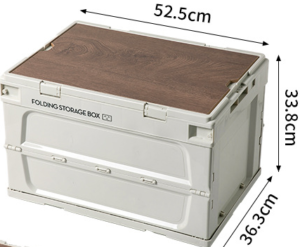
Application Scenarios and Use Case Optimization
Vehicle-Specific Mounting Solutions
Roof rack compatibility requires matching storage box dimensions to crossbar spacing (typically 700mm or 27.5″ for factory systems). Aerodynamic profiling reduces fuel consumption penalties—streamlined designs with 15-20° front taper angles decrease drag coefficients by 0.03-0.05, saving 0.3-0.5 L/100km at highway speeds. Mounting systems should incorporate vibration-dampening pads (EPDM or neoprene, 5-8mm thickness), preventing noise transmission and paint abrasion.
Truck bed integration benefits from boxes with flat-bottom designs and corner profiles matching bed rail dimensions. Sliding mounting systems using T-track extrusions (compatible with RAM Tough-Track or similar standards) enable quick repositioning without tools, optimizing space for varying cargo loads. Stake pocket mounting brackets provide 200+ kg securing capacity for extreme off-road applications.
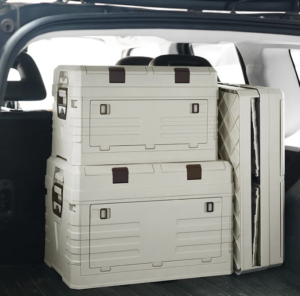
SUV cargo area configurations demand boxes with height profiles under 350mm to maintain rear visibility when stacked. Modular systems with telescoping handles enable drawer-style access, eliminating the need to unload upper units when retrieving items from lower storage levels—a critical ergonomic advantage for users with mobility limitations or during adverse weather conditions.
Multi-Environment Performance
Desert heat resistance testing should verify material stability at sustained 80°C temperatures, where dashboard-mounted storage in direct sunlight regularly reaches these extremes. Aluminum construction excels through high thermal conductivity (205 W/m·K) that prevents localized hot spots, while polymer boxes require heat-reflective coatings (titanium dioxide or ceramic microsphere additives), maintaining internal temperatures 10-15°C below ambient.
Alpine cold tolerance demands gasket materials maintaining flexibility below -30°C—silicone compounds (with glass transition temperatures around -115°C) outperform standard EPDM significantly. Latch mechanisms require stainless steel or brass construction; zinc-plated steel components experience brittle failure at -25°C due to phase transformation in the zinc coating.
Coastal salt corrosion protection necessitates 316-grade stainless steel hardware (containing 2-3% molybdenum for chloride resistance) rather than standard 304 alloys. Aluminum boxes benefit from anodized finishes (Type II, 10-25 micron thickness), creating protective oxide layers, while polymer units require minimal protection beyond periodic freshwater rinsing to prevent salt crystal accumulation in seal interfaces.
Módulo de preguntas frecuentes
Q1: What is the minimum IP rating required for year-round car camping storage boxes?
IP65 represents the practical minimum for four-season camping, ensuring complete dust protection and resistance to water jets from any direction. This rating handles rain, snow, and incidental splash exposure during washing or stream crossings.
For extreme conditions, including temporary submersion (river fording, flash floods), upgrade to IP67-rated models tested for 1-meter depth immersion up to 30 minutes. Avoid boxes rated below IP54 for regular outdoor use—inadequate sealing leads to moisture infiltration, promoting mold growth and compromising stored equipment within 6-12 months.
Q2: How do I calculate the optimal storage box capacity for a 7-day camping trip?
Apply the 15-20L per person per day formula for food and consumables, then add 30-40L base capacity for shared cooking equipment. For a 4-person, 7-day trip: (4 persons × 17.5L average × 7 days) + 35L equipment = 525L total.
Distribute this across 2-3 separate boxes (e.g., 200L + 150L + 120L configuration) for organizational efficiency—segregating food, cooking gear, and personal items reduces access time and improves weight distribution across vehicle mounting points. Add 10-15% buffer capacity for unexpected purchases or bulky items like firewood.
Q3: Are aluminum storage boxes worth the premium over plastic alternatives for commercial use?
For rental operations or fleet applications exceeding 150 usage cycles annually, aluminum boxes deliver superior ROI despite 2-3x higher initial cost. Key advantages include 10-year+ lifespan (versus 4-6 years for polymer), minimal maintenance requirements (gasket replacement only), and 40% higher resale value at end-of-life.
Aluminum units withstand abuse from inexperienced renters better—dent resistance and structural integrity after impacts significantly exceed polymer performance. However, recreational users averaging fewer than 20 trips annually achieve better value from mid-range polymer boxes, where the durability premium doesn’t justify the cost differential over typical 5-7 year ownership periods.
Conclusión
The 2026 car camping storage box market presents distinct optimal choices across user segments. Professional outfitters and commercial operators should prioritize premium aluminum expedition boxes ($300-500 range) offering IP67 protection, 50kg+ load capacity, and 10-year service life—models featuring military-spec construction and comprehensive warranty coverage deliver the lowest total cost of ownership for high-utilization scenarios.
Recreational weekend campers achieve optimal value through mid-range modular systems ($120-180), balancing IP65 weatherproofing, 80-120L capacity, and 5-7 year durability. Twin-wall construction and stackable designs provide 80% of premium performance at 40% of the cost, perfectly suited for 15-30 annual usage days.
Budget-conscious occasional users can confidently select entry-level options ($50-80) for seasonal camping, accepting IP44 ratings and 3-4 year lifespan as reasonable trade-offs. These units adequately protect equipment during fair-weather trips while minimizing upfront investment.
Market trends for 2026 emphasize modular ecosystem compatibility—boxes designed to integrate with roof racks, drawer systems, and accessory mounting platforms. Sustainability initiatives drive adoption of recycled polypropylene formulations (30-50% post-consumer content) and design-for-disassembly features enabling component-level repair rather than complete unit replacement. Smart storage solutions incorporating RFID inventory tracking and integrated solar charging ports represent emerging premium segment innovations, though widespread adoption remains 2-3 years distant.