
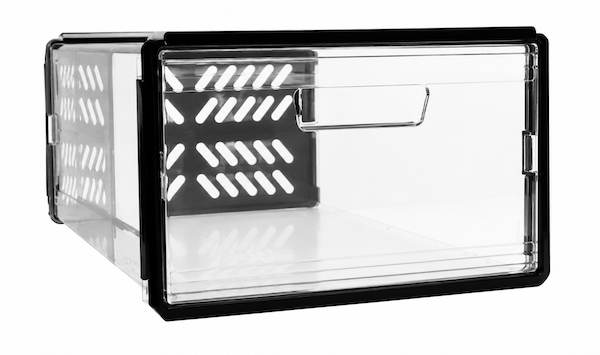
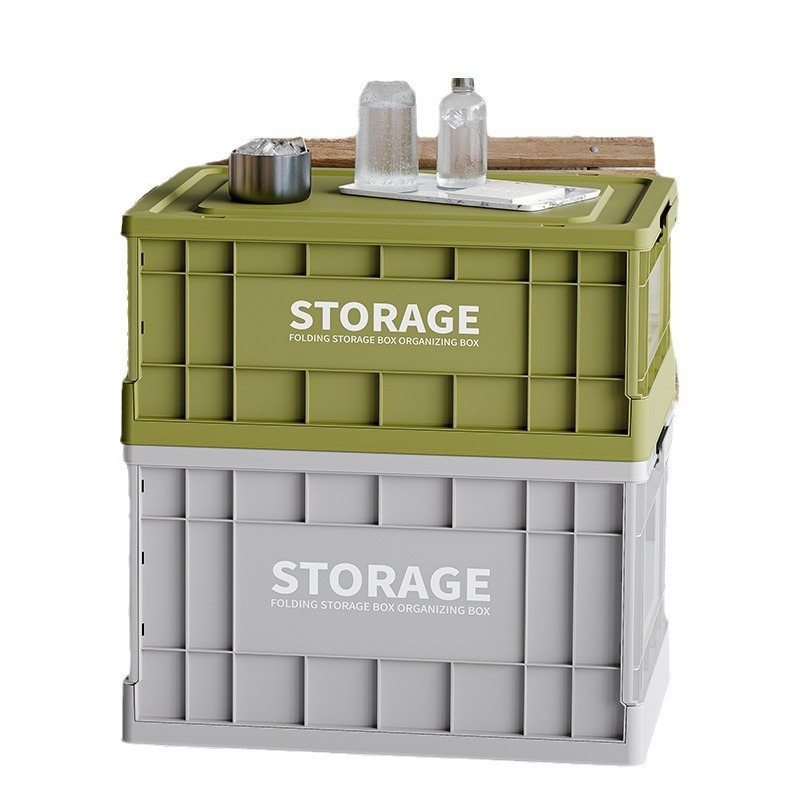
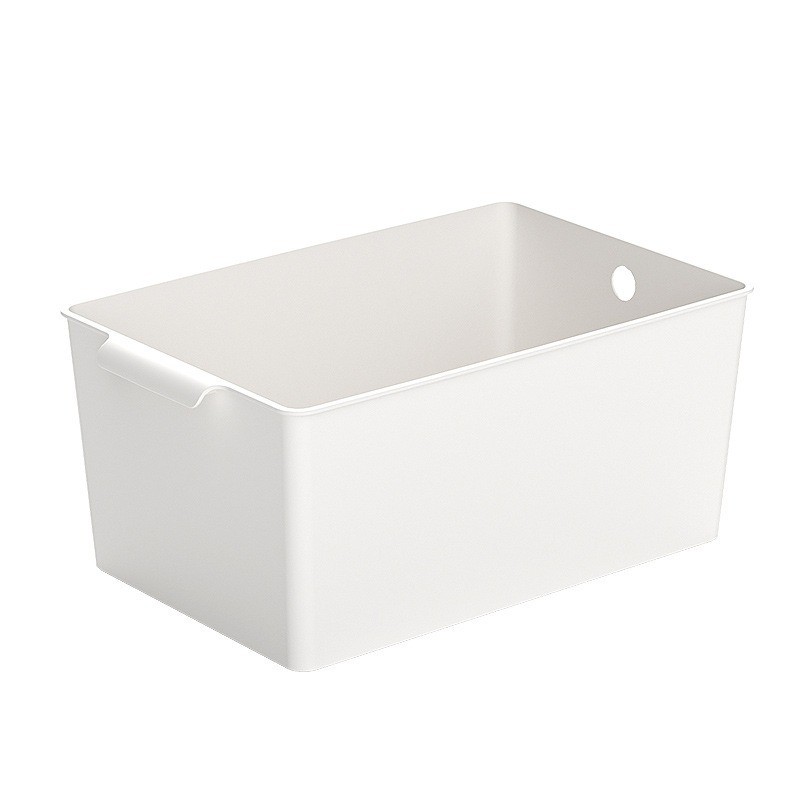
Food safety and wildlife safety – Both are very important when outdoors. Poor storage can not only lead to food spoilage and unwanted smells but can also attract dangerous wildlife. Let’s unpack what a car camping storage box is in this detailed guide, including the materials and safety standards it should meet, and how to use it correctly so that your food stays fresh – and you stay safe.
What Is a Car Camping Storage Box?
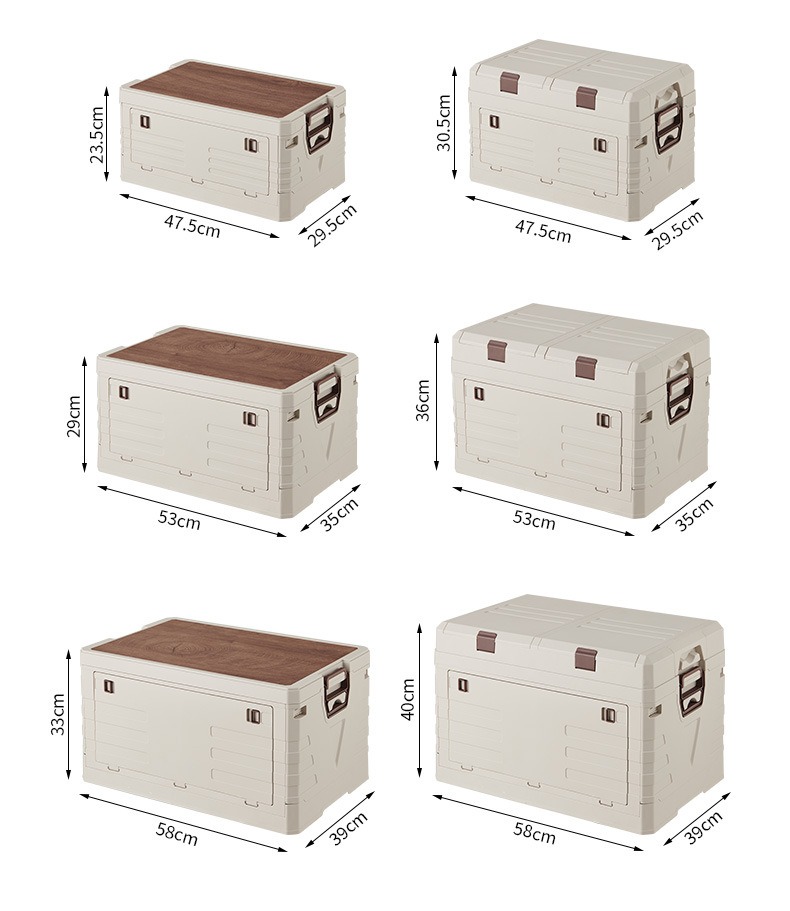
A car camping storage box is a portable, enclosed container used for the safekeeping of gear, food, and supplies in the outdoors. It differentiates from home containers by the fact that it has to be engineered for environmental exposure and temperature changes, as well as movement while driving or camping.
They have different sizes and are made from heavy-duty plastic and aluminum, to composite resin material. People typically use them to store camping paraphernalia, be it cookware, dry food, or even fresh ingredients.
Basic features:
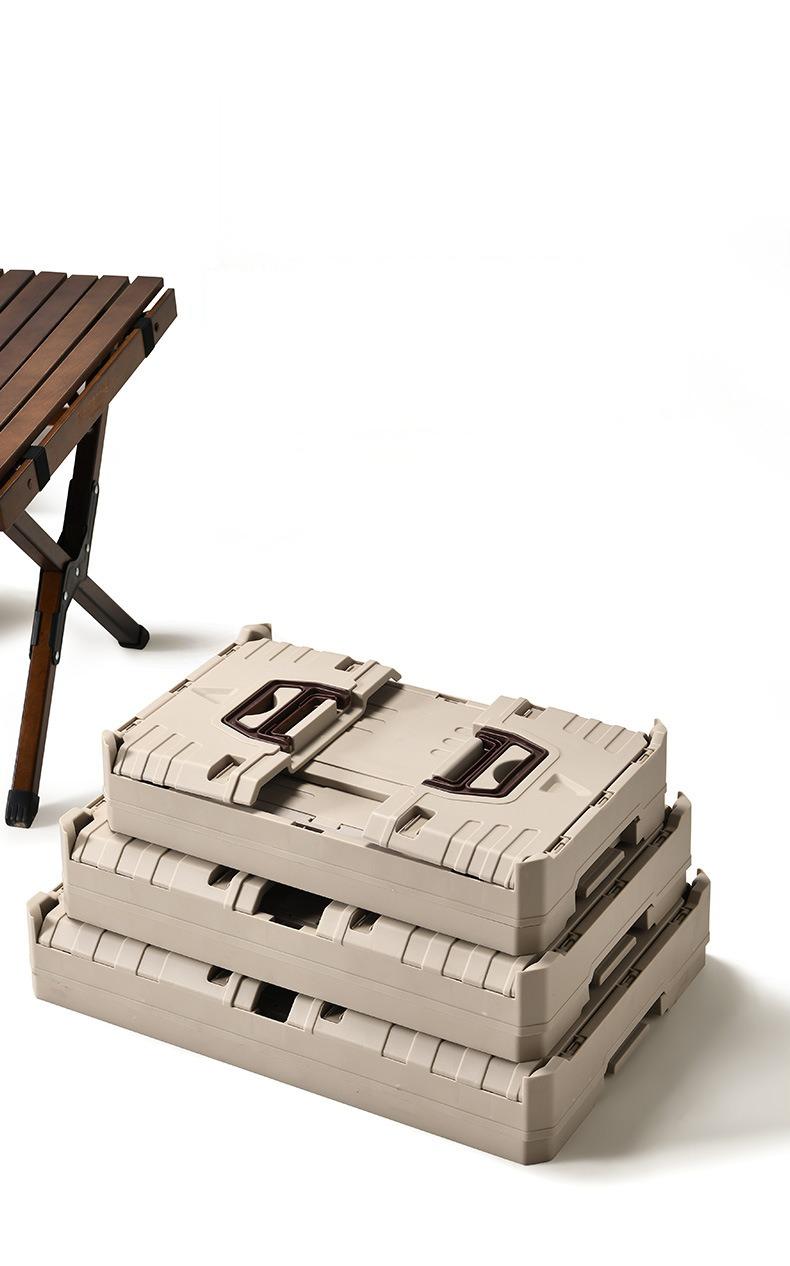
- Tough and shockproof
- Can be stacked together for storage purposes
- Have seals that are either water-resistant or waterproof
- Lids that can be locked
- Inner surfaces that can easily be cleaned
A good car camping box will not only organize your gear but also safeguard your food against heat, dust, and sundry wildlife.
What Material Requirements Should a Car Camping Food Storage Box Meet?
If the box will store food, material selection is critical. The interior and exterior materials must meet both mechanical and hygienic standards.
| Material | Pros | Cons | Best For |
| High-Density Polyethylene (HDPE) | Food-grade, impact-resistant, waterproof | Can deform under extreme heat | General dry or packed food |
| Polypropylene (PP) | Lightweight, odor-resistant, recyclable | Lower UV stability | Dry snacks, packaged food |
| ABS Plastic | Very strong, high heat resistance | Not food-safe unless coated | Exterior or shell use |
| Aluminum Alloy | Excellent strength, heat dissipation | Conducts temperature quickly | Dry food, tools, utensils |
| Composite Resin (Fiber-reinforced) | UV & weather resistant, long life | Higher cost | Extended outdoor trips |
For direct food storage, the interior should be:
- BPA-free and food-grade certified
- Resistant to UV exposure (to avoid chemical degradation)
- Non-porous and smooth (for easy cleaning)
- Odor-neutral to prevent smell transfer
What Functions Should a Car Camping Storage Box Have for Food Storage?
When storing food, your camping box must offer more than just space. It should maintain freshness, safety, and cleanliness under outdoor conditions.
Key Functional Requirements:
- Airtight Sealing: Prevents moisture and insects from getting in.
- Temperature Resistance: It can take the heat of a car as well as the cold of the night.
- Animal-Resistant Lock System: Protection against raccoons and other rodents, even bears.
- Waterproofing: Food stays dry inside, no matter if it rains or condensation occurs.
- Easy Cleaning: Smooth inside surface, removable liners.
- Antibacterial Coating: Reduces mold and bacterial growth.
The design stops sauces or liquids from messing up your car’s interior.
Technical Standards and Manufacturing Requirements
-
UV, Heat, and Water Resistance
Conditions inside the car can go as high as 140°F (60°C). Materials used include UV-stabilized HDPE or reinforced polypropylene to resist warping, discoloration, and cracking.
-
Animal Protection
Design: In many campgrounds across North America, wildlife safety is among the top concerns. Features of a reliable car camping food storage box should include: Lockable latch mechanisms, Thickened side walls (minimum 3–5 mm), Anti-pry designs Optional bear-resistant certification (IGBC-rated)
-
Food Safety Standards
If used in direct contact with food, boxes should be made up to the FDA food-grade standard (21 CFR), EU Regulation (EC) No. 1935/2004, and production set up to the ISO 22000 standard as a safe practice for food. The application of antimicrobial or anti-mold coatings stops any contamination during storage periods that may be humid or warm.
Main Applications of Car Camping Storage Boxes
These boxes are used in a variety of outdoor and mobile-living contexts:
- Car & SUV camping — storing dry or pre-packed food
- Overlanding & off-road trips — heavy-duty storage for rough terrain
- RV & van life — modular kitchen or pantry units
- Hunting & fishing trips — keeping bait or food sealed from animals
- Beach or desert camping — sandproof and waterproof storage
Main Advantages of Using a Car Camping Storage Box
- Space tidies: Divides eats from things or unclean stuff
- Better cleanliness: Stops dust, bugs, and wetness
- Longer storage time: A Tight seal lowers air getting in
- Safety: Boxes that animals can’t open keep them away
- Ease: Can be stacked and is simple to put in cars
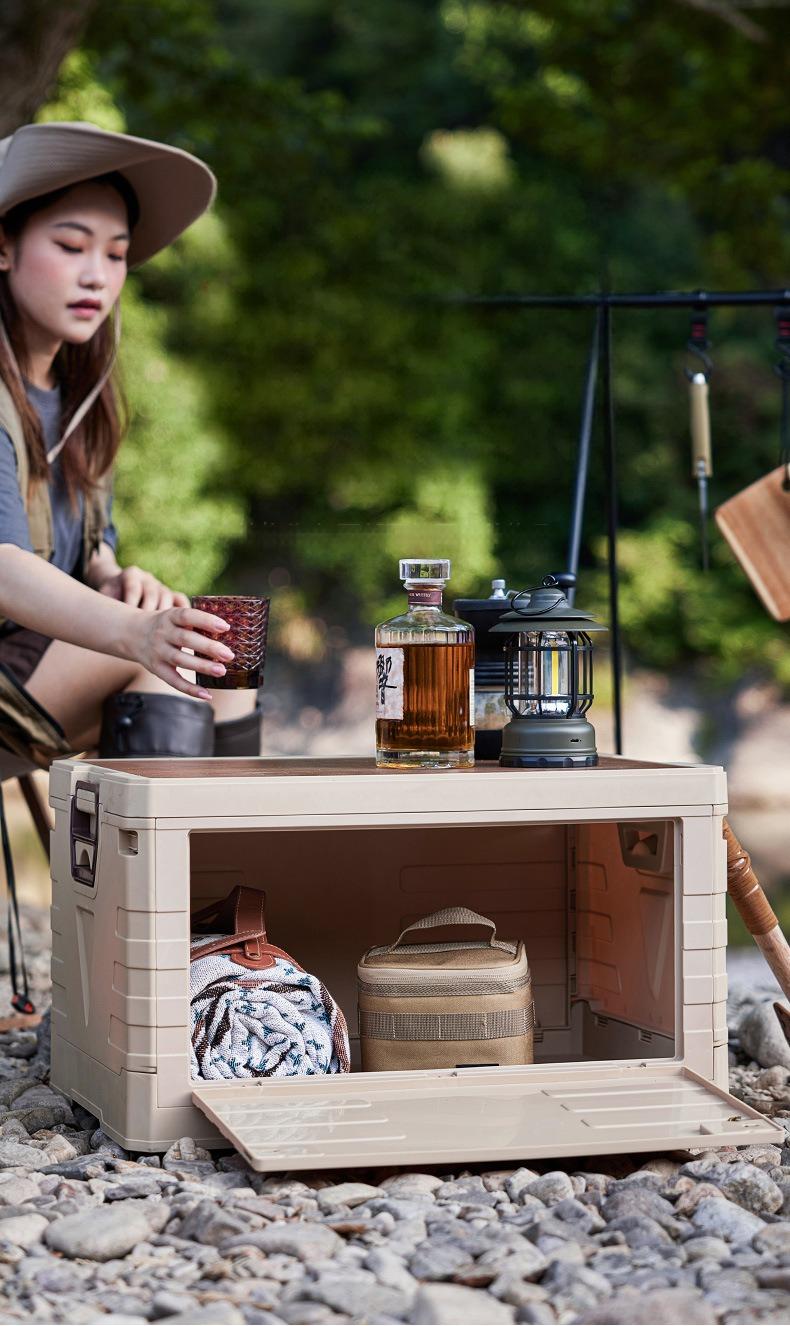
- Usefulness: Might serve as seats, tables, or steps
When placed next to usual hold bins, camping-type boxes are made for outside toughness and ease of movement.
How to Clean a Car Camping Storage Box?
Cleaning your box regularly prevents bacterial growth and unpleasant odors.
Steps:
- Empty the box and rinse it well with warm water.
- Do not use harsh chemicals. Instead, use mild soap or baking soda.
- Wipe with a soft sponge, but do not scratch the surface.
- Air-dry completely before reusing.
- To disinfect, use diluted vinegar or 70% alcohol alternatively once in a while.
If your box starts to develop an odor, then overnight you can keep an open bag of baking soda or activated carbon in it.
How to Choose the Right Car Camping Storage Box for Food?
| Feature | Why It Matters | Recommended Specification |
| Material | Determines durability & food safety | UV-stabilized HDPE or PP, BPA-free |
| Seal Type | Protects from air, water, and odor | Silicone or EPDM gasket seal |
| Locking System | Prevents animals or accidents | Dual latches, padlock holes |
| Size & Volume | Depends on food quantity & car space | 20L–70L for most campers |
| Temperature Range | Ensures performance in hot cars | -20°C to +70°C |
| Cleaning Ease | Reduces bacteria risk | Smooth, detachable liner |
| Certification | Confirms food-grade quality | FDA / IGBC / IPX rating |
Common Questions About Storing Food in Car Camping Boxes
- Will food spoil in a car storage box due to heat or humidity?
Yes — heat is the main threat. Car interiors can reach 120–150°F (49–65°C), accelerating food spoilage.
Dry goods and sealed cans are generally safe, but fresh produce, dairy, and meat require refrigeration or a cooler box.
Tip: Park in the shade and ventilate your car if storing food for more than a few hours.
- Can I store raw or refrigerated food inside the box?
Not directly.
Use an insulated cooler or ice pack container inside your storage box if you must store perishables.
- Will animals or wildlife try to open the box?
Absolutely.
Raccoons, bears, and even rodents can detect food scents through plastic.
Use a lockable, bear-proof container, and avoid leaving boxes outside overnight.
- Is storing food in a hot car dangerous?
Yes — prolonged heat exposure promotes bacterial growth.
If you’re camping in summer, avoid storing high-risk foods (meat, dairy, eggs) in the car for long durations.
- Can I store dry food or canned goods in normal plastic boxes?
Yes, but choose boxes labeled “food-safe” or BPA-free.
Ensure they have tight lids to prevent moisture and odor absorption.
- What about fresh or chilled food?
Always use coolers or powered fridges for chilled items.
You can nest these inside your main storage box for added protection and organization.
- Is it safe to keep food boxes inside the car in wildlife zones?
In areas with bears or coyotes, do not store food in your car overnight unless inside an IGBC-certified bear-resistant box.
Strong scents can attract wildlife and cause vehicle damage.
- Will food spill or move around while driving?
High-quality camping boxes come with anti-slip bases, reinforced lids, and tie-down points to secure them during travel.
This minimizes risk of spillage or odor leaks.
Conclusion
So, is it safe to store food in the car camping storage box while camping? Yes, with the proper box and the proper way to use it. A high-quality, food-grade, UV-resistant, and lockable car camping storage box can store dry goods, snacks, packaged foods, and more safely while on a camping trip; yet, it is advisable to keep perishables or fresh items in a cooler or fridge unit in particularly hot weather. Key Takeaways: BPA-free; UV-stabilized
Lock always because of animal access; avoid keeping perishable food in hot cars; air out your boxes regularly. In bear regions, choose IGBC-rated Containers. With perfect investments in systems and perfect implementations of food safety basics, you get to enjoy that worry-free camping trip with fresh, safe, and secure foodstuffs away from nature.