
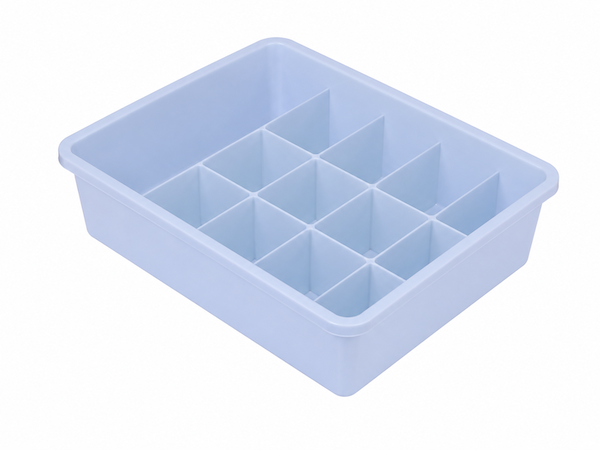
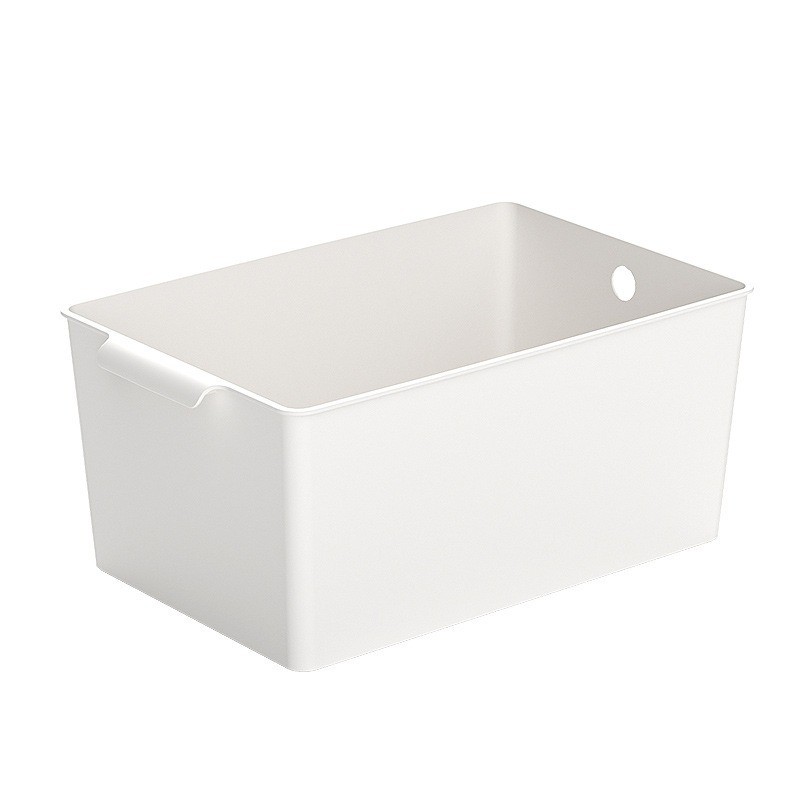

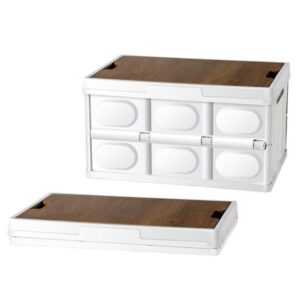
The Outdoor folding box is a portable and durable storage solution designed for outdoor activities such as camping, picnics, fishing, and road trips. Its unique folding structure not only saves storage space but also makes it easy to carry and transport, greatly enhancing travel convenience. Made of high-strength, environmentally friendly plastic or metal, the box is waterproof, dustproof, and impact-resistant, effectively protecting its contents. Its versatile design supports a variety of use scenarios, whether storing gear and food, or serving as a temporary seat or toolbox, it can meet the needs of outdoor enthusiasts. The perfect combination of lightweight and durable makes the Folding Outdoor Box an indispensable storage companion for modern outdoor life.
What is the Best Material for an Outdoor Folding Box?
Outdoor folding boxes have become a practical solution for people who need storage that is portable, weather-resistant, and adaptable. Whether you are organizing camping gear, transporting tools, storing gardening supplies, or using them in logistics, the material of the folding box is the most decisive factor in performance. A folding box used indoors may only need to be lightweight and cost-effective, but an outdoor box faces rain, UV rays, fluctuating temperatures, and even rough handling. This article takes a deep dive into the available materials, their pros and cons, and how to choose the one best suited for outdoor applications.
Why Material Choice Matters for Outdoor Folding Boxes?
The main purpose of an outdoor folding box is to combine durability with mobility. Unlike static containers, folding boxes are frequently assembled and collapsed, which puts strain on hinges, panels, and corners. Outdoors, these stresses are compounded by environmental conditions such as:
- Moisture and humidity: which can cause swelling, rust, or mold.
- UV exposure: leading to fading, cracking, or weakening of structural integrity.
- Temperature fluctuations: expanding and contracting materials may warp over time.
- Physical stress: heavy loads, stacking, and transportation demand resilience.
Because of this, the box material is not merely a matter of cost; it directly impacts the product’s lifespan, weight capacity, portability, and safety.
Common Materials for Outdoor Folding Boxes
- Plastic (Polypropylene, HDPE, and Polycarbonate)
Overview:
Plastics are the most widespread choice for folding boxes due to their lightweight structure, cost-effectiveness, and versatility. Within plastics, several types stand out.
Polypropylene (PP): Highly flexible, resistant to moisture, and relatively inexpensive.
High-Density Polyethylene (HDPE): Known for its toughness and excellent chemical resistance.
Polycarbonate (PC): Stronger, more impact-resistant, and transparent in some designs.
Advantages:
Waterproof and resistant to most outdoor elements.
Lightweight, making transportation easier.
Available in various designs, colors, and folding mechanisms.
Recyclable in many cases, supporting sustainability goals.
Drawbacks:
Can degrade under prolonged UV exposure without UV stabilizers.
May become brittle in very low temperatures.
Less rigid than metals, so weight capacity may be limited.
Best Uses: Camping boxes, gardening containers, general outdoor storage where weight savings are a priority.
- Metal (Aluminum and Steel)
Overview:
For heavy-duty outdoor use, metals remain a strong contender. Folding boxes made of aluminum or steel provide robust performance in challenging conditions.
Aluminum: Lightweight compared to steel, naturally corrosion-resistant, and sleek in design.
Steel (often powder-coated): Extremely strong, with high load-bearing capacity.
Advantages:
Exceptional durability and resistance to mechanical damage.
Long service life when coated against corrosion.
Ideal for transporting heavy tools or industrial equipment.
Drawbacks:
Heavier than plastic or fabric alternatives.
Can be costly, especially with corrosion protection finishes.
Susceptible to rust if the coating is damaged (steel).
Best Uses: Outdoor industrial applications, heavy tool storage, professional fieldwork, and military use.
- Wood
Overview:
Wooden folding boxes have a traditional charm and are sometimes favored for aesthetic or eco-conscious reasons. Certain hardwoods and treated plywood can withstand outdoor environments reasonably well.
Advantages:
Natural look, blending well in gardens or outdoor décor.
Can be customized or repaired more easily than plastic or metal.
Offers good structural rigidity.
Drawbacks:
Vulnerable to rot, termites, and mold unless treated.
Heavier than plastic.
Requires regular maintenance (sealing or painting).
Best Uses: Patio storage, decorative outdoor use, occasional transport where aesthetics are valued.
- Fabric (Reinforced Polyester, Canvas with Frames)
Overview:
Some folding boxes are designed from heavy-duty fabrics stretched over collapsible frames. They prioritize portability and quick storage rather than long-term weather resistance.
Advantages:
Extremely lightweight and compact when folded.
Affordable compared to metal or high-grade plastic.
Can be treated with water-resistant coatings.
Drawbacks:
Limited weight capacity.
Vulnerable to tearing, UV damage, and mold growth if not dried properly.
Not ideal for long-term outdoor storage.
Best Uses: Camping gear organization, picnic storage, lightweight travel.
- Composite and Hybrid Materials
Overview:
Innovative folding boxes now combine materials for optimized performance. Examples include plastic reinforced with fiberglass, aluminum frames with plastic panels, or fabric sides with metal bases.
Advantages:
Balance between weight, durability, and cost.
Better weather resistance than single-material boxes.
Tailored for specialized needs like cold-chain logistics or tactical field use.
Drawbacks:
Can be expensive.
May be harder to recycle due to mixed materials.
Best Uses: Specialized outdoor logistics, professional transport, or situations demanding both strength and portability.
Key Performance Factors to Consider
When selecting the best material, it’s important to evaluate the following:
Durability: How well does the box resist impacts, scratches, or bending?
Weather Resistance: Can it withstand rain, sunlight, snow, or extreme temperatures?
Portability: Is it lightweight enough for frequent handling and folding?
Load Capacity: Will it support the weight of your intended contents?
Maintenance Requirements: Does it need frequent coating, cleaning, or drying?
Cost and Value: Does the material justify its price through longevity and performance?
Outdoor Folding Boxes Applications
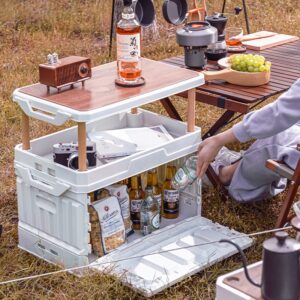
Camping: Store tent accessories, cooking utensils, and food, keeping your car and campsite clean.
Road Trips: Store clothing, tools, and snacks to prevent items from getting scattered.
Outdoor Sports: Carry sports equipment, drinking water, and other gear for easy transportation and organization.
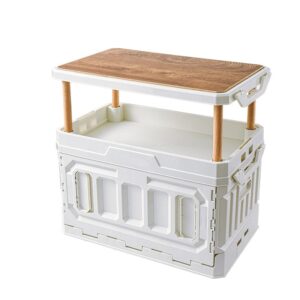
Picnics: Use for tableware and drinks, and some folding boxes can also serve as makeshift tables and chairs.
Home Storage: Use as a storage box when not in use, easily accommodating clothing, toys, and other miscellaneous items.
Emergency Rescue: Store first aid supplies and tools for quick transport and distribution.
Main Uses of Outdoor Folding Boxes
Portable Storage: The folding design saves space, making transportation and storage easier.
Organization: Helps organize and organize different items, improving travel efficiency.
Multifunctional Use: Some styles are load-bearing and can be used as a small table or seat.
Protecting Items: Features waterproof, dustproof, and moisture-proof properties to keep items clean and safe.
Comparing Materials at a Glance
| Material | Durability | Weather Resistance | Weight | Maintenance | Best Use Case |
| Plastic (PP/HDPE/PC) | Moderate to High | High (with UV protection) | Light | Low | Camping, everyday outdoor storage |
| Aluminum | High | High (naturally corrosion-resistant) | Medium | Low | Industrial and tool transport |
| Steel | Very High | High (if coated) | Heavy | Medium | Heavy-duty, professional fieldwork |
| Wood | Moderate | Low to Moderate (treated) | Heavy | High | Decorative outdoor use |
| Fabric | Low | Moderate (coated) | Very Light | Medium | Travel, light camping |
| Composite | High | Very High | Medium | Low | Specialized outdoor logistics |
Which Material is the Best?
The “best” material is context-dependent. For most consumers, high-quality plastic such as UV-stabilized polypropylene or HDPE is the most practical choice. It strikes a balance between affordability, weather resistance, and lightweight portability. For professionals requiring robust, long-term solutions, aluminum folding boxes stand out as the premium option, offering strength and longevity without the rust issues of steel.
If sustainability and design are priorities, treated wood offers a stylish alternative but requires more care. Meanwhile, fabric-based boxes are unbeatable for lightweight travel but not intended for permanent outdoor storage. Composite options are worth exploring if your needs are highly specialized, though they may come with higher costs.
Practical Tips for Extending Outdoor Folding Box Lifespan
Regardless of the material, proper use and care can significantly increase longevity:
Store the box in shaded or sheltered areas when not in use.
Avoid prolonged contact with standing water.
Apply protective coatings (UV spray for plastic, anti-rust for metal, sealants for wood).
Clean regularly to prevent mold or residue buildup.
Do not exceed recommended weight limits to preserve structural integrity.
Future Trends in Outdoor Folding Box Materials
As sustainability becomes a stronger focus, manufacturers are developing eco-friendly alternatives. Biodegradable plastics, recycled polymers, and bamboo composites are gaining attention. Additionally, smart design improvements such as modularity, integrated locks, and weatherproof seals are becoming standard. The future of outdoor folding boxes will likely see materials that are not only tougher but also more environmentally responsible.
Conclusion
Choosing the best outdoor folding box depends on how and where you intend to use it. Plastics like polypropylene and HDPE dominate everyday use due to their practicality and low maintenance. Aluminum excels in professional and industrial scenarios. Wood appeals to those who value natural aesthetics, while fabric and composites serve niche needs.
By weighing durability, portability, weather resistance, and cost, you can confidently select a folding box material that meets your demands. In the end, the “best” material is the one that balances your unique priorities with the environment where the box will be used.